
When to Expect TTC Closures: Timing Windows and What Toronto Riders Need to Know
14 min read
The Toronto Transit Commission schedules most of its major service disruptions on weekends and overnight, typically between Saturday mornings and Monday at 6 a.m., when ridership patterns allow for essential maintenance with minimal commuter impact. During 2026, Line 1 and Line 2 subway closures occur almost every weekend between May and October, the system’s peak construction season, while streetcar diversions can appear year-round with less advance notice.
Understanding when and why these closures happen transforms frustration into strategic planning. The TTC balances aging infrastructure needs against the demands of Canada’s busiest transit system, serving 1.8 million riders daily across a network built largely between the 1950s and 1980s. Track replacement, signal modernization, station accessibility upgrades, and state-of-good-repair work require full shutdowns that can’t safely occur during service hours.
The challenge for Toronto commuters lies not just in knowing a closure exists, but in anticipating patterns and accessing real-time updates that reflect the city’s complex transit landscape. Weekend closures follow predictable seasonal rhythms, yet emergency repairs, construction delays, and weather events introduce variables that demand flexible backup routes. For residents in neighbourhoods with limited alternative service, particularly in Scarborough and outer reaches of the system, a single Line 2 closure can add 45 minutes to a routine trip.
This analysis equips you with timing windows, notification tools, and the factors that shape TTC closure schedules, ensuring you can navigate disruptions with confidence rather than guesswork.
aftercare
Staying ahead of TTC closures requires a routine check-in rather than a one-time lookup. Bookmark the TTC’s subway and LRT closure page and service advisories section, then set a weekly reminder to review upcoming disruptions, Sunday evening works well for planning the week ahead. Sign up for My TTC e-Alerts to receive route-specific notifications directly, filtering for the lines you rely on most. When you spot a closure window that affects your commute, map out an alternative route the day before, noting transfer points and estimated travel times so you’re not improvising at the station platform.
Keep a mental note of typical closure patterns, weekend subway work, overnight streetcar diversions, summer construction, so you anticipate disruptions during those windows without needing constant monitoring. If you use Wheel-Trans or require accessible service, confirm shuttle bus availability through the TTC’s accessibility updates during planned closures; the agency provides extra capacity, but knowing specifics helps you plan departure times. Treat closure awareness as part of your regular Toronto commute rhythm, not an emergency response. Checking once a week and adjusting your travel habits accordingly keeps you moving smoothly through the city despite ongoing maintenance and construction.
Step Sequence
Before heading out, taking a few minutes to check for service disruptions can save you significant delays. Follow these steps to stay informed about closures affecting your route:
- Visit the TTC service advisories page to view current alerts across all routes, including construction notices and accessibility updates.
- Check the subway and LRT closure schedule, which lists upcoming closures organized by their start date, giving you advance warning for planned maintenance windows.
- Review the homepage service alerts to see real-time disruptions on specific routes, where you’ll find detours, delays, and bypass notices for streetcar and bus lines.
- Sign up for My TTC e-Alerts to receive notifications tailored to the routes you use most frequently, ensuring you’re notified before closures affect your commute.
- Verify accessible service options if you rely on mobility accommodations, fully accessible shuttle buses operate during subway closures, and extra Wheel-Trans vehicles are scheduled for all planned disruptions.
Building this quick check into your routine, especially before weekend or overnight travel, helps you identify alternative routes early and avoid unexpected delays. The TTC typically announces major closures several weeks in advance, giving you time to adjust your plans accordingly.
Quick Answer: When TTC Closures Typically Happen
TTC closures follow predictable patterns that Toronto riders can anticipate when planning their commutes. Most planned subway and LRT closures occur on weekends, when ridership is lower and crews can complete maintenance work without disrupting weekday rush hours. Overnight periods also see regular streetcar diversions and bus route adjustments, typically between late evening and early morning service hours.
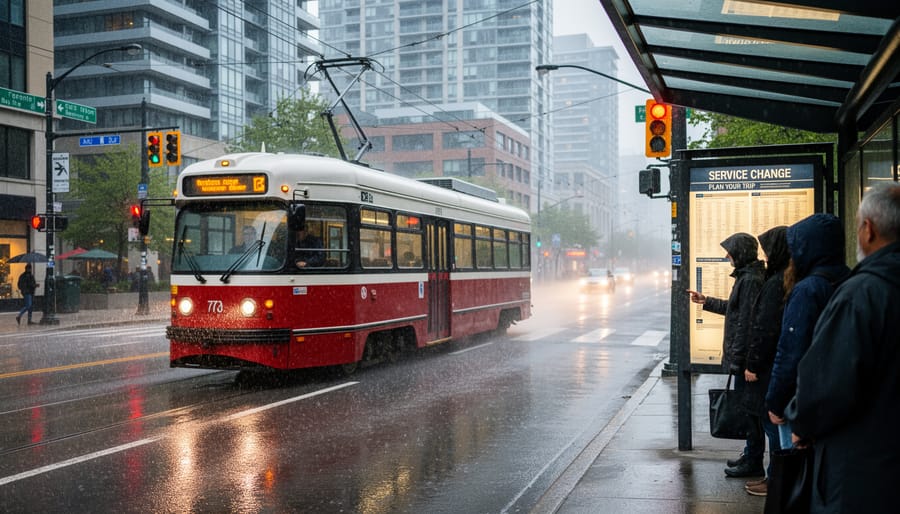
Seasonal construction windows concentrate heavily in summer and fall months, when weather conditions allow for major track work, signal upgrades, and infrastructure projects. These longer-term closures often span multiple weekends or extended periods on specific lines. Current service disruptions include detours, delays, and bypasses affecting routes like the 43, 68, 509, and 511, demonstrating how closures impact streetcar and bus services beyond subway lines. The TTC lists upcoming closures by start date on its official service pages, giving riders advance notice to adjust their travel plans.
Understanding TTC Closure Timing Windows
Weekend and Overnight Closure Patterns
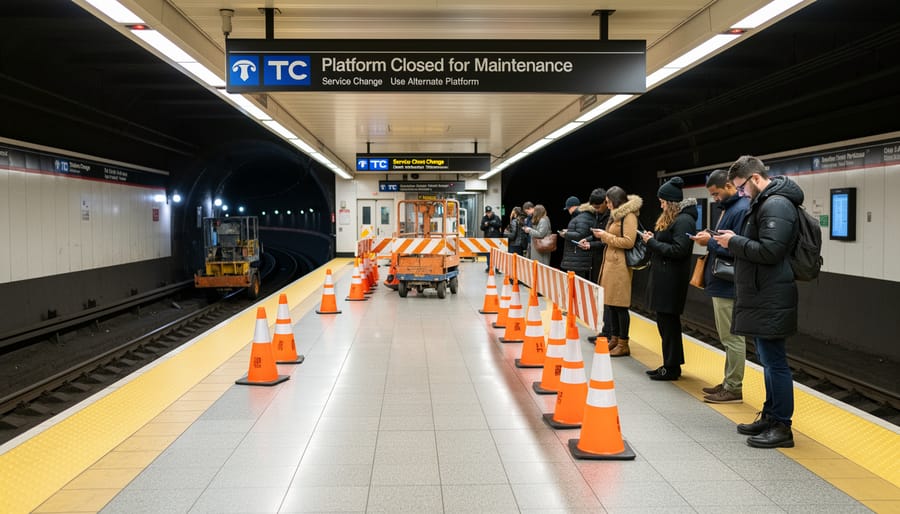
Weekend and overnight hours serve as the TTC’s primary maintenance windows because ridership drops significantly during these periods. Most planned subway closures happen between Saturday morning and Sunday evening, when repair crews can access tracks, signals, and stations without disrupting peak commuter travel. Line 1 and Line 2 commonly close for full weekends or single-day shutdowns, with fully accessible shuttle buses replacing train service along affected segments.
Overnight streetcar diversions follow a different pattern. Routes operating after midnight frequently face short-notice detours when track or overhead wire maintenance requires immediate attention. These diversions typically occur between 1 a.m. and 5 a.m., when fewer riders are traveling and buses can easily substitute for streetcar service. Weekend streetcar work sometimes extends into daytime hours, particularly during summer construction seasons when multiple projects overlap.
The TTC chooses these timing windows deliberately. Weekend closures allow concentrated work that would take months of overnight shifts to complete. Track replacement, signal upgrades, and station renovations progress faster when crews work continuous shifts rather than stopping and restarting each night. Lower weekend ridership also means shuttle buses can handle passenger volumes more effectively than during weekday rush periods, minimizing inconvenience while maximizing maintenance productivity.
Seasonal Construction Windows
Major TTC construction closures cluster into predictable seasonal windows driven by weather constraints and project efficiency. Understanding these patterns helps riders anticipate when disruptions are most likely.
Summer and early fall, roughly May through October, form the primary construction season for the TTC. Warmer temperatures allow contractors to work on track infrastructure, signal upgrades, and concrete repairs that cannot be safely completed during winter freezes. This extended window gives crews maximum flexibility to schedule multi-week projects that require consecutive closure periods rather than fragmented overnight work.
The TTC typically concentrates the most disruptive closures during July and August when ridership patterns shift slightly with vacation schedules and university breaks. This timing minimizes impact on the largest number of regular commuters while still maintaining service for summer travel needs. Projects requiring extended station closures or full-line shutdowns receive priority placement in this window.
Fall construction, September through early November, often targets finishing work from summer projects before weather deteriorates. Crews rush to complete track installation, platform modifications, and accessibility upgrades ahead of winter conditions that can halt outdoor work entirely. The timing also allows the TTC to complete infrastructure improvements before peak holiday travel and winter service demands intensify.
Winter closures still occur for indoor station work, signal testing, and maintenance that weather does not affect, but major track and structural projects pause until spring thaw returns.
Service Alert Categories and Their Timing
The TTC categorizes service disruptions into distinct types that signal different impacts on your journey. Understanding these categories helps you quickly assess whether you need alternate transportation or simply extra travel time.
- Detour
- The route temporarily follows a different path to avoid construction or an obstruction, making additional stops along the altered section. You can still reach your destination, but boarding and timing may shift.
- Delay
- Service continues on its regular route but operates behind schedule due to mechanical issues, traffic congestion, or track-level incidents. Expect longer waits between vehicles and potential crowding.
- Bypass
- The vehicle skips a portion of its normal route, typically several consecutive stops, to avoid a blocked section or maintain schedule reliability. If your stop falls in the bypassed area, you’ll need an alternate way to reach it.
Current service alerts illustrate these patterns in practice. Route 43 is operating under a detour to navigate around construction work. Route 68 faces delays affecting its schedule reliability. Routes 509 and 511 both show bypass alerts, where streetcars skip sections of their usual paths.
Detours typically last days to weeks and align with construction windows, often announced in advance. Delays can emerge anytime but cluster during peak hours when system demand intensifies minor disruptions. Bypasses frequently occur during weekday rush periods when the TTC prioritizes moving the majority of passengers efficiently, even if it means temporarily suspending service to specific stops. Weekend closures more commonly involve full route suspensions with replacement shuttle buses rather than bypasses.
Factors That Shift TTC Closure Timing
Weather-Dependent Timing Adjustments
Toronto’s weather creates unique challenges for transit infrastructure work, making construction closure timing as much about meteorology as project management. The TTC typically concentrates outdoor work into windows when conditions permit sustained progress, particularly for track replacement, signal upgrades, and structural repairs that cannot be rushed or interrupted mid-process.
Summer and early fall offer the most reliable construction windows. Concrete curing requires temperatures above 5°C for proper bonding, which pushes major track and platform work toward May through October. Winter’s freeze-thaw cycles can damage fresh repairs, so projects requiring exposed infrastructure generally wrap before November. This compression explains why multiple routes often face simultaneous closures during warmer months, crews are racing against the calendar.
Extreme weather forces timing adjustments even for scheduled closures. Heavy snow can delay outdoor track work by days, extending planned closure periods. Ice storms may trigger emergency track inspections that postpone or interrupt scheduled maintenance windows. Conversely, unseasonably warm winter stretches sometimes allow the TTC to advance deferred work, creating closures outside typical seasonal patterns. These weather-driven schedule shifts rarely affect the fully accessible shuttle buses and extra Wheel-Trans vehicles provided during disruptions, but they do mean riders should verify closure dates closer to planned service changes rather than relying on advance notices alone.
Coordination with Toronto Road Closures
TTC service disruptions rarely happen in isolation. Transit planners coordinate closure timing with the City of Toronto’s construction calendar to minimize compound effects on commuters. When major road projects are scheduled, particularly those blocking key arterial routes or highway ramps, the TTC typically postpones non-urgent maintenance to keep alternative transit corridors open. This coordination becomes most visible during large-scale infrastructure work like bridge rehabilitations or downtown utility upgrades, where simultaneous road and subway closures would eliminate viable travel options for entire neighbourhoods.
The relationship works both ways. Some TTC closures are specifically timed to coincide with road projects when surface shuttle routes would face detours anyway. If a street hosting a subway shuttle bus is already closed for repaving, closing the parallel subway line during that same window avoids running replacement service twice. The city’s Transportation Services division maintains ongoing communication with TTC planners, though advance notice varies, emergency road repairs can force last-minute transit adjustments, while multi-year projects allow closure coordination months ahead. Understanding this interdependence helps riders anticipate why certain timing decisions are made and why some disruptions cluster together while others are carefully staggered.
Emergency and Unplanned Disruptions
Unlike the scheduled weekend and overnight windows that structure most TTC closures, emergency disruptions strike without warning and follow no predictable calendar. Track-level incidents, from signal failures and switch problems to power outages and infrastructure damage, force immediate service suspensions at any hour, regardless of ridership peaks or planned schedules. These unplanned closures typically occur when continued operation would risk passenger safety or cause cascading system failures.
Weather extremes accelerate infrastructure breakdown outside maintenance windows. Intense cold cracks rails and freezes switches, while heavy rain floods stations and erodes track beds, triggering closures that can’t wait for the next scheduled maintenance slot. Medical emergencies at platform level, police investigations, and vehicle collisions near surface routes also halt service instantly, creating the delays and bypasses that appear on real-time alerts without advance notice.
The timing of emergency closures correlates with system age and usage intensity. Rush-hour stress on aging infrastructure increases failure probability, but incidents cluster most heavily during temperature swings when materials expand and contract. Track-level equipment that seemed stable at 10 p.m. may fail catastrophically by 6 a.m. as overnight temperatures drop. This unpredictability means riders monitoring scheduled closure windows still need real-time alert systems to catch disruptions that emerge between official maintenance periods.
How to Stay Informed About Upcoming Closures
Reading the TTC Closure Schedule
The TTC organizes its closure information chronologically, listing disruptions in order of when they begin rather than by line or severity. This date-based structure means the soonest closures appear first, making it straightforward to spot what’s coming up this weekend or next week. When you check the upcoming closures by date each entry shows the affected line or segment, the dates and times of the shutdown, and whether replacement shuttle buses will run.
Pay attention to how far ahead closures are posted. Weekend maintenance closures typically appear about a week in advance, while major construction projects involving multi-weekend or extended shutdowns may be listed several weeks ahead. The start date tells you when service stops, but read the full entry to catch whether a closure runs continuously or only during specific hours (like overnight). If a closure spans multiple days, the listing usually clarifies whether it’s round-the-clock or limited to non-service hours on weekdays.
Setting Up Proactive Alerts
The TTC’s notification system gives you control over which disruptions reach your inbox. You can sign up for My TTC e-Alerts to receive targeted messages about specific routes, subway lines, or service types that matter to your commute. Choose alerts for individual streetcar routes (like the 43, 509, or 511), select entire subway lines, or subscribe to all-service updates if your travel patterns vary.
The system sends emails when planned closures are announced, typically giving at least a week’s notice for scheduled work. It also flags unplanned disruptions as they develop, though short-notice incidents may reach you after alternate arrangements become necessary.
Beyond email alerts, check the TTC’s mobile app for real-time updates and the main service advisories page before trips during construction-heavy periods. Setting alerts for your regular routes means closure notices arrive automatically rather than requiring daily manual checks, letting you adjust plans as soon as timing windows are confirmed. Combining proactive subscriptions with quick pre-trip checks covers both advance planning and last-minute changes.
Planning Around Closures: Accessibility and Alternative Service
Accessible Service During Disruptions
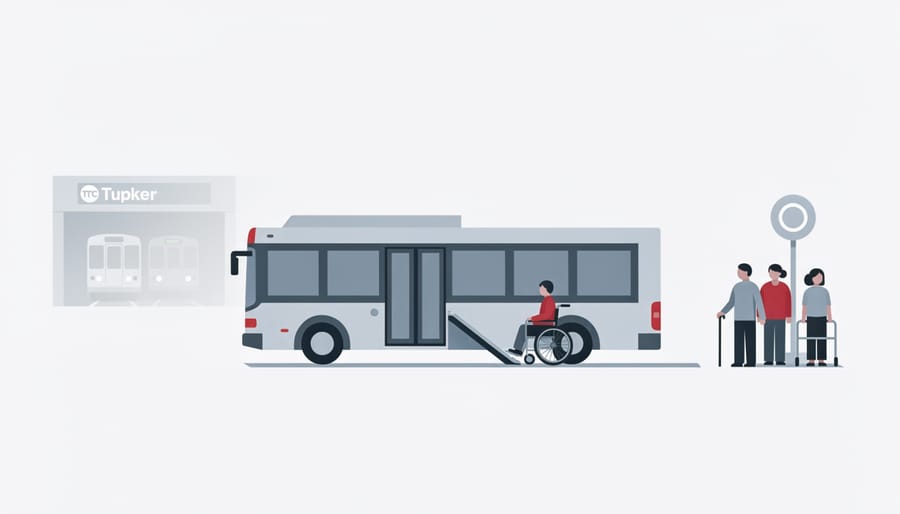
The TTC maintains continuity for riders with mobility needs through dedicated accessible provisions during all scheduled closures. Replacement shuttle buses that operate during subway and LRT disruptions are fully accessible, ensuring customers who rely on accessible service can still complete their journeys without requiring specialized arrangements. These shuttle buses feature low-floor boarding and ramp or lift equipment that meets the same accessibility standards as regular TTC service.
Beyond the standard shuttle provisions, the TTC expands Wheel-Trans capacity specifically for planned closures. Extra Wheel-Trans vehicles become available during these disruption windows, providing additional door-to-door service for registered customers who might otherwise face challenges navigating route changes or shuttle transfers. This proactive capacity increase helps prevent service gaps for customers with mobility needs who depend on consistent, direct accessible transit.
The combination of accessible shuttles and enhanced Wheel-Trans accommodations means planned closures shouldn’t force riders to alter their travel patterns significantly or defer trips. Customers can verify specific accessible service details for upcoming closures through the subway and LRT service advisories page, which lists each closure’s provisions alongside its timing and affected stations.
Alternative Route Planning
When your usual route faces a detour or bypass, start by checking the TTC service advisories page for the specific diversion details. The advisories explain exactly where service is interrupted and which streets the replacement route follows. For streetcar disruptions like those currently affecting routes 509 and 511, note whether it’s a full bypass or partial detour, bypasses typically skip entire segments, while detours reroute around a localized blockage.
Identify nearby parallel routes that can serve as backups. If your north-south streetcar is bypassing stops, look for an east-west route that intersects with a subway station, creating a two-leg alternative. The TTC’s route map helps spot these connections. During subway closures, the provided shuttle buses mirror the closed line’s path and stop at each station, but they’re slower than trains, so add 15 to 30 minutes to your trip.
Build flexibility into your plans during known closure periods. If you commute on route 43, currently under detour, scout your backup options before the disruption hits your schedule. Knowing two ways to reach your destination reduces stress when delays strike unexpectedly.
Frequently Asked Questions About TTC Closure Timing
The TTC receives frequent questions about closure timing patterns and notification procedures. Understanding these common concerns helps riders plan more effectively and reduce uncertainty when navigating service disruptions.
How much advance notice does the TTC typically give for planned closures?
The TTC lists upcoming subway and LRT closures in order of their start date on their service page, generally providing notice weeks in advance for scheduled maintenance and construction work. Emergency closures happen without advance warning when infrastructure failures or safety concerns require immediate service suspension.
How can I tell if a closure is planned or due to an emergency?
Planned closures appear on the scheduled closure listings with specific dates and times, while emergency disruptions show up as immediate service alerts on the homepage with terms like “delays” or “service suspended.” Planned work is announced well ahead, whereas emergencies are communicated in real time as situations develop.
Do TTC closures follow predictable patterns I can plan around?
Weekend and overnight windows are the most predictable times for scheduled closures, particularly for subway lines undergoing maintenance. Seasonal construction tends to concentrate in warmer months, though specific routes and dates vary by project scope and coordination with city road work.
Where should I check for the most current closure information?
The TTC service advisories page provides real-time updates on all service changes, while My TTC e-Alerts delivers notifications directly for routes you select. Both sources update as situations change, making them more reliable than checking static schedules.
These questions reflect what matters most to riders trying to maintain reliable travel routines amid changing service conditions. The distinction between planned and emergency closures shapes both how much flexibility you need in your schedule and which information sources will serve you best. Regular riders who monitor these channels develop an intuitive sense of when disruptions are likely, turning advance knowledge into smoother commutes across Toronto’s transit network.
Understanding when TTC closures typically occur gives Toronto riders a tangible advantage in managing daily travel. Weekend maintenance windows, overnight streetcar diversions, and summer construction projects follow predictable patterns, but weather shifts, emergency repairs, and coordinated road work introduce variables that can alter those timelines. Recognizing these patterns and the factors behind them transforms disruptions from unwelcome surprises into manageable adjustments.
Proactive monitoring remains the most effective strategy. Checking the TTC’s subway and LRT closure listings before planning weekend trips, subscribing to alerts for routes you rely on, and understanding how seasonal conditions influence construction schedules all reduce the likelihood of stranded commutes. The system’s commitment to accessible shuttle buses and extra Wheel-Trans capacity during planned closures ensures that mobility needs are addressed, but only riders who stay informed can take full advantage of these provisions.
Toronto’s transit network and road infrastructure are interdependent. TTC disruptions often align with city construction, meaning a closure on one system can compound delays across the other. Riders who grasp these timing windows, monitor updates consistently, and plan alternative routes position themselves to navigate both TTC and road closures with confidence rather than frustration.