

Hamilton Breaking News: How to Stay Informed When It Matters Most
10 min read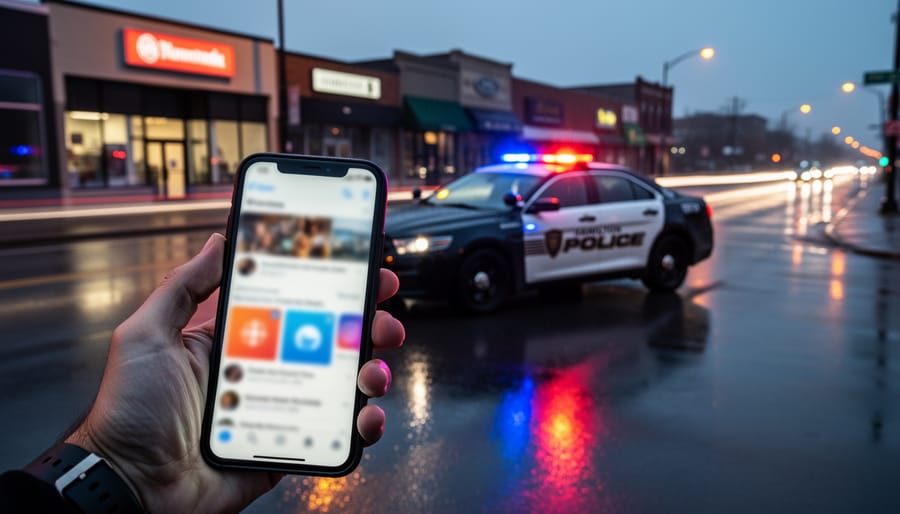
Staying informed about breaking news and police activity in Hamilton, Ontario, requires knowing where to look and how to interpret the constant stream of real-time updates flooding social media and local news channels. Residents searching for immediate information about traffic incidents, emergency responses, or significant community events need reliable sources that deliver verified facts quickly, without the noise of speculation or rumor.
Hamilton’s local news landscape has evolved considerably. Traditional media outlets still provide foundational coverage, but platforms like Twitter have become essential hubs for instant eyewitness accounts and on-the-ground reporting. When a crash closes roads in Hamilton Township or police respond to serious incidents requiring immediate public attention, these digital channels often break the story minutes before formal press releases arrive.
The challenge lies in verification. Not every tweet or social media post claiming to report breaking news offers accurate information. Cross-referencing multiple sources, checking official police and municipal accounts, and distinguishing between confirmed reports and speculation becomes critical when seconds matter. Understanding the difference between routine traffic stops and significant police activity requiring community awareness shapes how residents respond and stay safe.
This guide provides concrete strategies for accessing Hamilton’s most current news, interpreting police activity updates, and verifying information as events unfold. Whether monitoring daily community updates or tracking developing situations that directly impact your neighborhood, knowing where to find credible information and how to assess its reliability transforms how you stay connected to what’s happening in Hamilton right now.
The Changing Landscape of Hamilton Local News
Hamilton’s news landscape has undergone a dramatic transformation over the past decade. Where residents once relied primarily on The Hamilton Spectator and local television broadcasts for their daily updates, they now pull information from a fragmented ecosystem of digital platforms, each serving a distinct purpose in the flow of community information.
Traditional media outlets haven’t disappeared, they’ve adapted. Local newspapers maintain online presences and mobile apps, but their role has shifted from being the first to break news to providing context and verification for stories already circulating on social media. The morning routine of reading the paper has been replaced by scrolling through Twitter feeds and Reddit threads before getting out of bed, with residents checking multiple sources throughout the day for updates.
The speed at which information now travels has fundamentally changed expectations. When a traffic incident occurs on the Red Hill Valley Parkway or police activity closes a street in the downtown core, residents expect to know within minutes, not hours. This immediacy has created a new category of news consumers who monitor multiple channels simultaneously, official police accounts, local news Twitter feeds, neighborhood Facebook groups, and the Hamilton subreddit, to piece together a complete picture of what’s happening.
Community-driven reporting has emerged as a powerful force in this new landscape. Residents with smartphones become de facto journalists, sharing photos and videos from scenes as events unfold. This democratization of news gathering means that breaking stories often surface first from everyday people rather than professional reporters, though it also introduces challenges around accuracy and verification that didn’t exist in the era of traditional gatekeepers.
Where to Find Breaking News in Hamilton Right Now

Social Media as Your First Alert System
When breaking news hits Hamilton, social media often delivers the first alerts before traditional outlets can respond. Twitter has become particularly crucial for residents tracking developing situations, a collision on the Red Hill Valley Parkway or police activity downtown will typically appear in resident tweets minutes before official confirmation. Instagram Stories from local accounts and eyewitnesses provide visual evidence that helps people assess the severity of incidents and adjust their plans accordingly.
The immediacy comes with significant verification challenges. During fast-moving situations, unconfirmed details spread rapidly, and residents need to distinguish between factual reporting and speculation. Following official accounts like Hamilton Police Service and verified local journalists provides a foundation of credibility, but much of the most immediate information comes from everyday residents who witness events firsthand.
Assessing credibility requires cross-referencing multiple sources and looking for consistent details across accounts. A traffic incident mentioned by three different users from different locations carries more weight than a single unverified claim. Location tags, timestamps, and photo evidence all strengthen reliability. For traffic live alerts comparing social media posts with official road closure notifications helps confirm accuracy.
The key is treating social media as your early warning system while maintaining healthy skepticism. Initial reports establish awareness, but confirmation from official channels or multiple independent sources should guide your response.
Community Forums and Local Groups
Reddit’s r/Hamilton community serves as a digital town square where residents share immediate observations about what’s happening in their neighborhoods. When sirens echo through downtown or unexpected road closures disrupt evening commutes, you’ll often find firsthand accounts posted within minutes. These unfiltered reports provide context that official channels don’t always capture, the smell of smoke that preceded a fire call, the traffic backup extending beyond the reported intersection, or clarification about whether that helicopter overhead is police or media.
Facebook groups organized by specific Hamilton neighborhoods offer even more targeted coverage. The Westdale community group differs substantially from discussions in east-end groups, reflecting each area’s distinct character and concerns. Members frequently post photos of suspicious activity, lost pets, or infrastructure problems alongside breaking news commentary. However, the intimate nature of these spaces demands caution. Without editorial oversight, misinformation spreads quickly, and speculation can morph into accepted fact before official confirmation arrives.
The value lies in community knowledge. Long-time residents recognize patterns and provide historical context that helps newcomers understand whether a police presence is routine or unusual for a particular area.
Understanding Police Activity and Public Safety Updates
Hamilton Police Service manages public communications through multiple channels, with their official social media accounts serving as primary outlets for time-sensitive alerts. Officers post updates about major incidents, road closures, and active investigations as they unfold, though the level of detail varies depending on the situation’s sensitivity and stage of investigation.
Traffic incidents typically generate the most immediate public notifications, particularly when they affect major routes or require road closures. You’ll see alerts about collisions on the Linc, disabled vehicles blocking lanes, or emergency services responding to scenes. These updates usually include specific locations, estimated clearance times, and suggested alternate routes. More serious incidents involving injuries or fatalities receive briefer initial statements while investigations proceed.
The Hamilton Police Department uses standardized terminology that helps residents quickly assess situations. Understanding these common terms makes updates more actionable:
- Active investigation
- Police are currently gathering evidence and interviewing witnesses; limited details will be shared until the investigation progresses.
- Road closure
- A section of roadway is completely blocked to traffic, typically for collision reconstruction or emergency response.
- Police presence
- Officers are on scene for a controlled situation that doesn’t pose immediate public danger, though residents may see increased activity.
- Shelter in place
- Residents should remain indoors with doors locked during an active public safety threat in their immediate area.
Emergency situations involving threats to public safety trigger more urgent communication protocols. You’ll see direct instructions rather than general information, specific streets to avoid, whether to shelter indoors, or when it’s safe to resume normal activities. These situations are rare but demand immediate attention when posted.
Public health emergencies follow different notification patterns. During the Ontario COVID Alert rollout, residents learned that health-related updates often come from public health units rather than police, though officers may enforce related orders.
Officers also share information about vulnerable persons alerts when someone with dementia wanders or when mental health support teams assist in locating individuals at risk. These posts include physical descriptions and last-known locations, followed by updates when the person is found safe.
What Makes Hamilton News Unique
Hamilton’s news environment reflects its identity as a city of distinct contrasts. Unlike Toronto’s sprawling metropolitan coverage or smaller towns’ singular focus, Hamilton straddles multiple worlds simultaneously. The city blends heavy industry with vibrant arts districts, established neighborhoods with rapidly developing areas, and urban density with semi-rural communities on its outskirts. This diversity shapes how news unfolds and spreads through the community.
The industrial heritage means certain types of stories carry particular weight here. Traffic incidents on major routes like the Red Hill Valley Parkway don’t just affect commuters, they ripple through entire supply chains and shift patterns. Factory announcements, port activity, and infrastructure projects generate immediate local interest because they touch residents’ livelihoods directly. When police activity closes a road in Hamilton Township or disrupts a key corridor, the community response differs from purely residential areas because so many people depend on these routes for work and commerce.
Neighborhood reporting in Hamilton operates with an intimacy that larger cities can’t replicate. Communities like Westdale, Stoney Creek, and Dundas maintain distinct identities, each with residents who know their area intimately and share information through tight social networks. A traffic incident in one neighborhood travels through local Facebook groups and community forums with remarkable speed, often with eyewitness details that official channels won’t have for hours.
The surrounding areas, Hamilton Township and nearby communities, contribute their own news threads that weave into the broader picture. Rural roads intersect with urban development, creating unique coverage needs. What happens in these outlying areas often matters deeply to city residents who commute, own property, or maintain family connections across the region. This interconnected geography means Hamilton news can’t be understood through a purely urban lens.
How to Verify Information in Real-Time
When a shocking headline appears in your feed or a friend forwards an alarming message about a Hamilton incident, your first instinct might be to share it immediately. That split-second decision can mean the difference between spreading accurate information and amplifying a rumor that causes unnecessary panic in your community.
Start by checking whether the information comes from an official account. Hamilton Police Service, the city’s verified social media channels, and established local news organizations carry blue verification badges. These marks aren’t foolproof, but they’re your first filter. Look at the account’s posting history, does it consistently cover Hamilton news, or did it suddenly appear with a sensational claim?
Cross-referencing is your most powerful verification tool. If you see a report about a major traffic incident on Twitter, search for the same information on Reddit’s Hamilton community or check if any traditional outlets are covering it. Real breaking news spreads across multiple platforms within minutes, but rumors typically appear in isolation. When only one source is reporting something significant, that’s your signal to wait.
- Check the timestamp on the original post or report to confirm whether you’re looking at current information or something being recirculated from weeks or months ago.
- Examine any photos or videos for context clues like weather conditions, seasonal details, or background landmarks that might reveal when the content was actually captured.
- Search for the specific location or incident description across at least three different platforms before treating the information as confirmed.
- Watch for official statements from Hamilton Police Service or city officials, which typically arrive within an hour or two of significant incidents.
- Note the difference between eyewitness accounts and secondhand reports, someone saying “I saw” versus “I heard that” tells you how close they are to the actual event.
Developing stories change rapidly. What starts as a traffic incident might escalate to something more serious, or initial reports might overstate the severity. Resist the urge to share unconfirmed details during the first thirty minutes of any breaking situation. Hamilton’s tight-knit communities depend on accurate information, and your patience in those crucial early moments helps everyone make better decisions about their safety and plans.
Building Your Personal Hamilton News Network

Start by choosing three to five sources that match your priorities. If morning commute updates matter most, follow the Hamilton Police Twitter account and a couple of active community members who regularly post traffic photos. If neighborhood-specific events are your focus, join one or two Facebook groups for your area and turn on notifications for posts.
The key is customization without overload. Set your Twitter notifications to “all tweets” for only the most critical accounts, typically the official police feed and one verified news outlet. For everything else, check manually once or twice daily. This prevents your phone from buzzing constantly while ensuring you catch genuine emergencies.
Create lists within Twitter or Instagram to segment sources by type: one for emergency services, another for community voices, and a third for Ontario updates that affect Hamilton. This organization lets you scan specific categories when relevant rather than scrolling through everything at once.
Consider scheduling your news consumption. Many Hamilton residents check breaking updates three times: morning for traffic conditions, midday for developing stories, and evening for follow-ups. This rhythm keeps you informed without creating anxiety from constant monitoring. Mute accounts during off-hours if you need boundaries.
Balance immediacy with accuracy by maintaining at least one slower, verified source in your network. While social media delivers speed, having a traditional news outlet or official government channel ensures you can confirm important information before acting on it or sharing it further.
Staying informed about Hamilton local news isn’t just about consuming information, it’s about participating in the fabric of your community. When you take the time to verify sources, cross-reference breaking updates, and share accurate information with neighbors, you’re contributing to a more resilient Hamilton. The platforms and strategies outlined throughout this guide work best when approached with both urgency and discernment.
Your role as an informed resident extends beyond passive scrolling. When police activity unfolds in your neighborhood or a traffic incident affects your commute, the way you engage with that information matters. Question unverified claims, wait for official confirmation on developing stories, and resist the urge to amplify sensational rumors. This critical approach protects both you and your fellow residents from misinformation.
Hamilton’s strength lies in its connected communities, from downtown neighborhoods to Hamilton Township and beyond. By building your personal news network thoughtfully and engaging responsibly with breaking updates, you help create the informed, vigilant community that makes Hamilton a safer place to live. Stay curious, stay critical, and stay connected to what matters most in your city.