

How to Find Your Local Election Results in Real-Time Across Canada
11 min read
Accessing local election results in Canada requires navigating your municipality’s official website or provincial electoral portal, typically within hours of polls closing. Results appear in stages: preliminary tallies posted election night, unofficial results within 24-48 hours, and certified outcomes after validation by the clerk or returning officer, a process that can take days to weeks depending on your province.
Canada’s decentralized electoral system means each municipality operates independently. Ontario voters, for instance, saw ballots cast across the province on October 26, 2026, with cities like Toronto, Hamilton, Mississauga, and Ottawa publishing unofficial results on dedicated election portals. Hamilton posted its preliminary data at as counts progressed. British Columbia follows a similar pattern through municipal websites, while other provinces maintain varying timelines and platforms. This fragmentation demands that voters know exactly where to look for their specific jurisdiction.
The stakes are clear: unofficial results circulate quickly on social media and news sites, but only certified results carry legal weight. Understanding the difference protects you from misinformation and ensures you’re tracking legitimate democratic outcomes. The verification process varies significantly. Some municipalities certify results within a week; others require recounts, accessibility ballot reviews, or judicial validation that extends timelines well beyond election day.
This guide walks you through the complete process: identifying your official municipal source, interpreting preliminary versus certified data, recognizing red flags in unofficial tallies, and accessing province-specific resources that fill gaps when local information proves elusive.
What You Need to Access Election Results
Accessing local election results requires minimal preparation, but knowing what you need upfront streamlines the process and helps you interpret what you find. Whether you’re checking outcomes in Ontario’s recent October 26, 2026 municipal elections or preparing for upcoming votes in your province, the same foundational requirements apply across Canada.
Before you begin your search, gather these essentials:
- A reliable internet connection and a device (computer, tablet, or smartphone)
- Your official municipality name, not just the city, but the correct legal designation (City of Hamilton, Town of Oakville, etc.)
- The specific election date you’re researching, as municipalities maintain archives of past results
- Awareness that initial results are unofficial until validated, typically within days of the vote
- Patience during high-traffic periods immediately after polls close, when official portals may load slowly
Understanding the distinction between unofficial and certified results proves crucial. Municipalities post unofficial tallies as ballots are counted on election night, these numbers provide immediate insight but remain subject to validation. The validation process verifies counts, resolves discrepancies, and incorporates any special ballots before clerks certify final results. This timeline varies by jurisdiction, but most Canadian municipalities complete validation within a week.
You don’t need specialized software or accounts to access results. Municipal election offices publish data on public-facing websites, designed for direct citizen access. The challenge lies not in technical barriers but in navigating the decentralized nature of Canadian elections, each municipality operates independently, with no single federal portal consolidating local results nationwide.
Important Considerations Before Checking Results
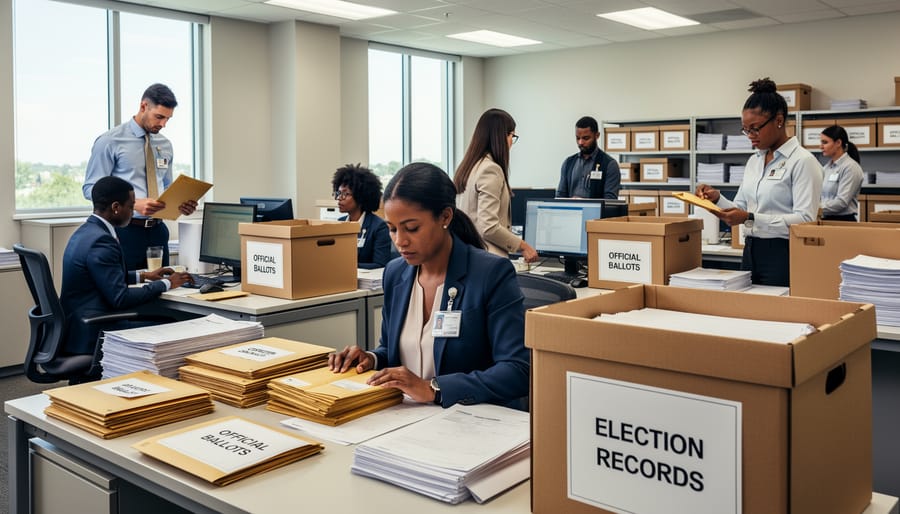
Before you dive into checking election results, understand that what you see first is rarely the final word. Municipalities post results in stages, and knowing the difference between unofficial tallies and certified outcomes will save you from drawing premature conclusions or sharing inaccurate information.
When polls close, election officials begin counting ballots and releasing data as quickly as possible. Most municipalities publish unofficial results as available often updating every few minutes during the initial count. These numbers give you a strong indication of outcomes, but they lack the verification that comes with the formal validation process. Unofficial results can shift as mail-in ballots arrive, as officials resolve discrepancies, or as additional polling locations report their tallies.
The validation stage involves election officials reviewing vote counts for accuracy, reconciling ballots with voter registration records, and investigating any irregularities. During this period, totals may adjust slightly. Close races might trigger automatic recounts, and candidates can request recounts if margins fall within specified thresholds. Only after this scrutiny do results become certified and legally binding.
Timing varies by municipality and the complexity of the ballot. Simple mayoral races in smaller communities might certify within a week, while larger cities with multiple ward contests and ballot questions can take several weeks. Don’t assume delay signals a problem; thorough validation protects the integrity of the democratic process.
Check the timestamp on any results page you view. If it says “updated 10:47 PM election night,” you’re seeing preliminary data. Look for clear labels indicating whether results are unofficial, validated, or certified. Avoid social media claims about winners until you’ve confirmed the status on your municipality’s official elections page.
Step-by-Step: Accessing Your Municipality’s Official Results

Finding Your Municipal Elections Office
Start by identifying your municipality’s name, the city, town, township, or regional municipality where you vote. This is crucial because Canada has nearly 3,700 municipalities, each managing its own elections independently.
Once you know your municipality, search “[your municipality name] elections” in any search engine. Most Canadian municipalities follow predictable URL patterns: or . Larger cities often use their main municipal website with an elections section accessible from the homepage or quick links menu.
Navigate to the municipal website and look for an “Elections” or “City Clerk” section, typically found in the main navigation menu or footer. The City Clerk’s department usually administers elections and hosts result pages. On election night and the days following, many municipalities feature a prominent banner or alert linking directly to results.
If you cannot locate the elections page through the main site, try adding “/elections” or “/clerk” to the municipality’s base URL. For municipalities that contract election services, the results page may be hosted on a separate domain entirely, like Hamilton’s portal used for the October 26, 2026 vote.
Bookmark the official page once you find it, applying these local update tips helps you return quickly when results post. Verify you are on the official municipal site by checking the URL domain matches your municipality’s name and includes .ca or a recognizable municipal identifier.
Understanding Result Display Formats
Municipal election portals present results in several standardized formats, though the specific interface varies by jurisdiction. Most display live vote tallies as they arrive from individual polling stations, with a running count that updates throughout election night. You’ll typically see candidate names listed alongside their current vote totals, the percentage of votes each has received, and their standing (first, second, third place).
The “percentage reporting” indicator shows what fraction of polls have submitted results, for example, “42 of 87 polls reporting” or “67% of votes counted.” This metric helps you gauge how reliable the current standings are. When only 10% of polls have reported, rankings may shift dramatically; by 80%, the picture is usually stable, though not final.
Many municipalities use live alerts similar to how transportation departments share traffic updates, automatically refreshing the page as new data arrives. Others require manual refreshing to see updated counts. Look for timestamps showing when the page was last updated, this confirms you’re viewing current information rather than cached data.
Some portals display results by ward or district before aggregating them city-wide, particularly useful in larger municipalities. The format may include margin of victory, total ballots cast, and voter turnout percentages alongside candidate standings, giving you context beyond just the raw numbers.
Province-by-Province Resources for Canadian Municipalities
Ontario Municipal Election Results
Ontario municipalities provide dedicated election portals for real-time result access. Following the October 26, 2026 vote, major cities launched official platforms to publish unofficial results as poll counts were completed.
Hamilton demonstrates the typical approach with its dedicated portal. The city posted elections2026 Hamilton results as precincts reported, allowing residents to track mayoral and council races throughout the evening. This model, a temporary election-specific subdomain or webpage, is common across the province.
Toronto publishes results through its official city website under the Elections & Voting section, typically at . Ottawa follows a similar pattern at, where voters can access ward-by-ward breakdowns. Brampton, Mississauga, and other Greater Toronto Area municipalities maintain dedicated election pages accessible from their main city portals.
Smaller municipalities like Milton, Oakville, Caledon, Oshawa, Whitby, and Barrie also provide official result portals, though URL structures vary. Start at the municipality’s main website (city name plus .ca or .on.ca) and navigate to the Elections or City Clerk section. Most cities retain these result pages for months after the election, transitioning from “unofficial” to “validated” to “certified” as the tabulation process advances.
Remember that Ontario municipalities operate on a four-year election cycle, so the next general municipal election won’t occur until 2030. By-elections may happen between cycles to fill vacant positions, each with its own dedicated result portal.
Accessing Results in Other Provinces
Outside Ontario, Canadian municipalities follow their own election cycles, typically on three- or four-year schedules that rarely align across provinces. This means that while Ontario held elections on October 26, 2026, most other provinces won’t have municipal votes until their scheduled years, making this a guide for when those elections occur in your region.
British Columbia municipalities generally hold elections every four years in October. When BC elections take place, results appear on individual municipal websites rather than a central provincial portal. Check your city’s official website directly, Vancouver posts at, while Victoria uses .
Alberta municipalities also follow October election cycles. During election years, cities like Calgary and Edmonton maintain dedicated election portals ( and respectively). Results post as polls close, with updates throughout the evening.
Quebec operates differently, with municipal elections scheduled for November in election years. Montreal publishes results at, while Quebec City uses . Quebec municipalities often provide bilingual result displays.
Prairie and Atlantic provinces maintain similar patterns, Winnipeg uses, Regina posts at, and Halifax uses . Each municipality manages its own portal without provincial aggregation.
The key across all provinces: bookmark your municipality’s official election page well before election day, as temporary result portals often launch only weeks before voting. Check your municipal website’s homepage or clerk’s office page to confirm your region’s next scheduled election date and where results will appear.
Verifying and Understanding Final Results

Election night numbers represent just the beginning of a formal certification process. Understanding the three-stage progression helps you interpret what the numbers mean and when they become final.
Unofficial results appear as polls close and ballots are counted, but these numbers haven’t undergone verification. Municipalities typically label these clearly with disclaimers noting they’re subject to change. Validated results arrive after validation is completed when election officials have checked for counting errors, verified eligible voter lists, and reconciled ballot counts with voter turnout records. This stage usually takes three to seven business days depending on municipality size and complexity.
The final certification occurs after the validation period closes and any triggered recounts or appeals are resolved. Close margins (often within 25 votes or less than one percent, depending on provincial rules) automatically trigger recounts. Certified results carry legal weight and mark the official end of the election process. Your municipal elections office posts certified results on their official portal, often with a formal certification date and signature from the returning officer.
During validation, you may see small changes as scrutineers catch errors or as special ballots (mail-in, hospital, institutional) get added to counts. Large swings are rare but possible in extremely tight races. To verify reliable sources check only your municipality’s official elections page rather than news aggregators, and note the result status label. If you’re uncertain about what to watch during close races, track the municipality’s announcements about validation timelines and potential recount triggers.
Common Questions About Accessing Election Results
Readers often have similar questions when checking election results, particularly around timing and reliability. These frequently asked questions address the most common concerns about accessing and interpreting local election outcomes.
When are election results typically posted?
Most municipalities begin posting unofficial results within 30 minutes to 2 hours after polls close, with updates continuing as polls report throughout the evening. Complete unofficial results are usually available by midnight on election night, though some rural or remote areas may take longer.
What does “unofficial” mean on election night?
Unofficial results reflect vote counts as reported from polling stations but haven’t completed the formal validation process, which includes verifying totals, accounting for all ballots, and ensuring procedural compliance. These results are generally accurate but may change slightly during validation.
How long does it take for results to become certified?
The timeline varies by province and municipality, but validation typically takes 3-7 days, with final certification occurring within 2-4 weeks after election day. The clerk must verify all counts, resolve any discrepancies, and complete required documentation before declaring results official.
What should I do if my municipality’s results aren’t posted?
First, confirm you’re checking the official municipal website, not third-party sources. If results still aren’t available several hours after polls close, contact your municipal clerk’s office directly using the phone number or email listed on the official elections page, as technical issues occasionally delay posting.
Understanding these timing and process details helps you interpret what you’re seeing online. Remember that Canadian municipalities operate independently, so while the general process remains consistent, specific timelines and procedures can vary. When in doubt about result authenticity, verify you’re on your municipality’s official domain (typically ending in .ca with the municipality name) rather than news sites or unofficial aggregators.
The terminology used in results displays can also vary. “Polls reporting” indicates how many voting locations have submitted counts, while “percentage of vote” shows a candidate’s share of total ballots cast. Some municipalities display “leading” or “elected” designations, but only certified results carry legal weight for determining final winners.
Accessing your local election results is a straightforward process when you know where to look and what to expect. Throughout this guide, we’ve emphasized the critical importance of relying on official municipal sources, these portals provide the most accurate, timely information and protect you from misinformation during the validation period. Understanding that results move through distinct stages, from unofficial to validated to certified, helps you interpret what you’re seeing and avoid premature conclusions.
Election schedules vary significantly across Canada. While Ontario municipalities held elections on October 26, 2026, other provinces and territories follow different cycles, some hold votes in the same year, others offset by two or three years. Check your municipal or provincial elections office for your local calendar and bookmark the official results portal now, so you’re prepared when your next election arrives.
The validation process we’ve outlined isn’t bureaucratic red tape, it’s how democracy ensures accuracy. Taking time to verify results, understand the terminology, and follow the certification process demonstrates civic engagement that extends beyond casting your ballot. By approaching election results with patience and informed skepticism until they’re officially certified, you’re contributing to a healthier democratic process in your community.