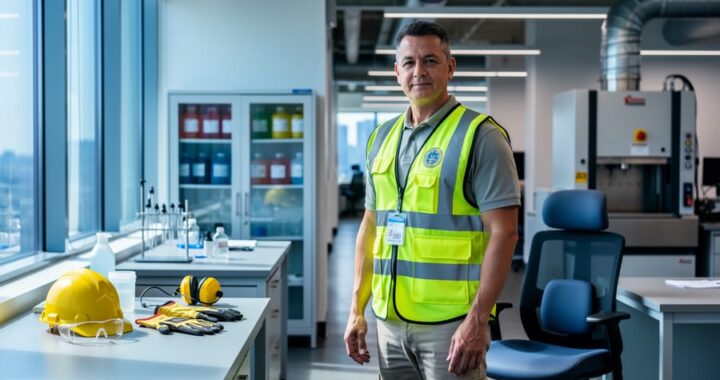

The 7 Safety Categories Every Workplace Needs to Address in 2026
11 min read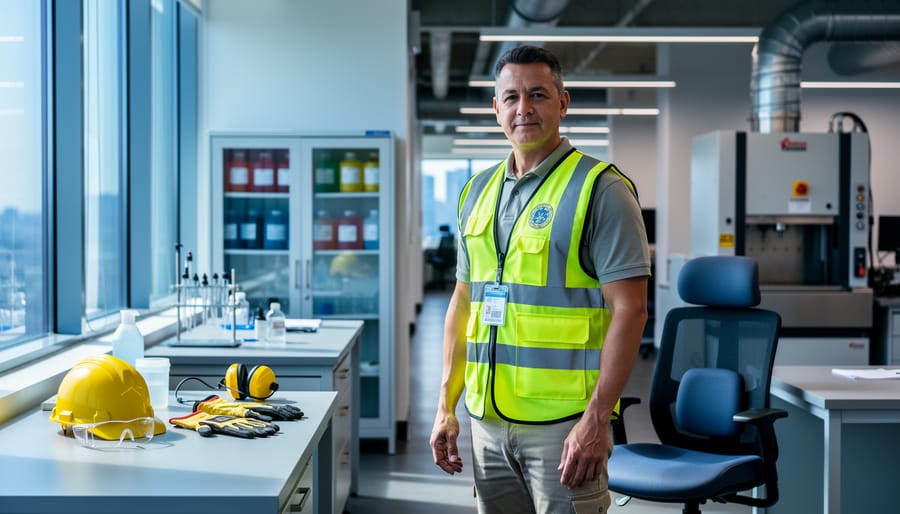
The 7 safety framework divides workplace hazards into seven distinct categories: physical, chemical, biological, ergonomic, psychosocial, environmental, and procedural. This classification system gives safety officers and managers a structured approach to identifying and controlling risks across every dimension of the work environment, ensuring no critical hazard goes overlooked.
Toronto workplaces face varied safety challenges depending on their industry. A downtown office might prioritize ergonomic and psychosocial risks, while a manufacturing facility in Scarborough deals heavily with physical and chemical hazards. The seven-category model provides flexibility to address sector-specific needs without losing sight of the full spectrum of potential harm.
Understanding these categories matters because workplace injuries and illnesses stem from multiple, overlapping sources. A back injury might result from poor ergonomics combined with inadequate procedural training. Respiratory problems could trace back to both chemical exposures and environmental ventilation failures. When safety programs focus narrowly on one or two categories while neglecting others, they leave workers vulnerable.
The framework also aligns with Ontario’s Occupational Health and Safety Act requirements, which mandate employers to identify and assess all workplace hazards. By systematically working through each of the seven categories, organizations build compliant, effective safety programs that protect workers and reduce liability. This approach goes beyond basic health safety tips to create lasting cultural change rooted in comprehensive hazard recognition.
Physical Safety: Protecting Workers from Tangible Hazards
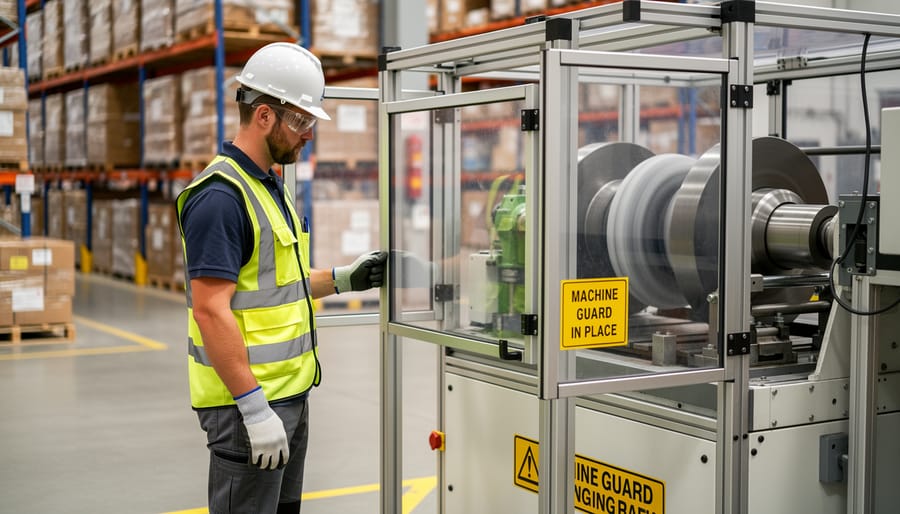
Physical safety addresses hazards you can see, hear, or physically encounter in the workplace. This category encompasses machinery with moving parts, elevated work areas, loud equipment, extreme temperatures, and walking surfaces where workers can slip or trip.
Toronto manufacturing facilities and construction sites face significant physical risks from unguarded equipment and working at heights. Statistics consistently show that falls, being struck by objects, and caught-in/between incidents account for the majority of serious workplace injuries. Machinery guards represent the first line of defense, fixed barriers that prevent hands, clothing, or hair from contacting gears, blades, or rotating components. Guards must remain in place during operation; removing them for convenience creates catastrophic injury potential.
Fall protection becomes mandatory at heights above 3 meters in most Canadian jurisdictions. This includes guardrails on elevated platforms, personal fall arrest systems for roofing work, and safety nets where other protection proves impractical. Regular inspection of harnesses, lanyards, and anchor points prevents equipment failure.
Noise control protects hearing in environments where sound levels exceed 85 decibels over an 8-hour shift. Engineering controls like equipment enclosures work best, followed by administrative measures such as rotating workers through high-noise areas. When these prove insufficient, properly fitted hearing protection becomes essential.
Temperature extremes demand different responses. Cold storage workers need insulated clothing and warm break areas, while those in foundries or bakeries require hydration stations, cooling vests, and scheduled rest periods. Slips and trips decrease through housekeeping protocols that immediately address spills, ensure adequate lighting, and maintain clear walkways free from cords, materials, or uneven surfaces.
Chemical Safety: Managing Hazardous Substances
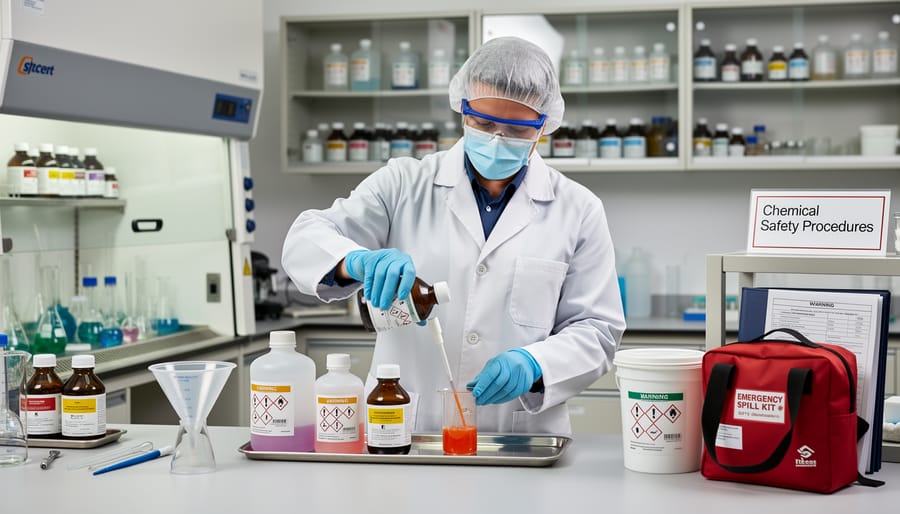
Chemical safety protects workers from harmful exposures to substances ranging from industrial solvents and acids to everyday cleaning products and maintenance fluids. Every workplace using chemicals must establish clear protocols before incidents occur.
Start with proper identification. All containers require current Workplace Hazardous Materials Information System (WHMIS) labels showing product identifiers, hazard pictograms, signal words, and precautionary statements. Safety Data Sheets for each chemical must be accessible to workers at all times, providing detailed information on composition, physical properties, health hazards, protective measures, and emergency procedures. Train employees to consult SDS before using unfamiliar substances and after any formulation changes.
Storage matters as much as handling. Segregate incompatible chemicals, acids separate from bases, oxidizers away from flammables. Use appropriate containers, secondary containment, and clearly marked storage areas with adequate ventilation. Many Toronto workplaces overlook the cumulative risk when multiple low-hazard products share enclosed spaces without airflow.
Ventilation systems prevent dangerous vapor buildup. Local exhaust captures contaminants at the source while general dilution ventilation maintains air quality throughout the space. Regular maintenance and monitoring ensure these systems function as designed, particularly in facilities handling volatile organic compounds or particulate-generating processes.
Spill response preparedness reduces exposure and environmental damage. Keep spill kits stocked with appropriate absorbents, neutralizers, and disposal bags near chemical storage areas. Designate trained responders who know containment procedures and when to evacuate. Document all incidents, no matter how minor, to identify patterns and prevent recurrence through process improvements or substitution with safer alternatives.
Biological Safety: Controlling Infectious and Organic Hazards
Biological hazards exist wherever workers encounter microorganisms or organic material capable of causing illness. Bacteria, viruses, fungi, molds, and contaminated organic matter pose documented risks in healthcare facilities, food processing plants, laboratories, veterinary clinics, and waste management operations across Toronto.
Healthcare workers face exposure through blood, bodily fluids, and airborne pathogens. Infection control starts with universal precautions: treating all biological materials as potentially infectious. This requires appropriate personal protective equipment, gloves, gowns, face shields, and respirators, matched to the exposure level. Proper hand hygiene protocols and vaccination programs provide additional layers of defense.
Food service environments combat bacterial contamination through temperature control, surface sanitization, and strict handwashing practices. Separate cutting boards for raw meats, regular equipment cleaning, and proper food storage temperatures prevent cross-contamination and pathogen growth.
Research laboratories handling biological agents follow biosafety levels that dictate containment measures, ventilation requirements, and waste treatment procedures. Even BSL-1 facilities managing low-risk organisms require specific protocols for specimen handling and disposal.
Biological waste demands specialized management. Sharps containers, biohazard bags, and regulated medical waste disposal prevent community exposure. Contaminated materials need decontamination, often through autoclaving or chemical treatment, before disposal.
Training remains essential. Workers must recognize biological hazards in their specific setting, understand transmission routes, and know when to escalate concerns about potential exposures to supervisors or occupational health staff.
Ergonomic Safety: Designing Work to Fit People
Ergonomic hazards develop slowly but cause lasting damage when workplaces ignore how the human body naturally moves, reaches, and holds positions. Musculoskeletal disorders from poor ergonomics account for a significant portion of workplace injuries in Toronto, affecting everyone from warehouse workers lifting boxes to office staff typing at poorly positioned keyboards.
Workstation design starts with adjustability. Office workers need chairs with proper lumbar support, adjustable height, and armrests that keep shoulders relaxed. Monitor placement matters: the top of the screen should sit at or slightly below eye level, about an arm’s length away, preventing neck strain from constant looking up or down. Keyboard and mouse positioning should allow elbows to rest at 90 degrees with wrists straight, not bent.
Industrial settings require different interventions. Workers who lift regularly need access to mechanical aids like dollies, pallet jacks, or adjustable work surfaces that minimize bending and reaching. The safe lifting technique isn’t just about bending your knees; it involves keeping the load close to your body, avoiding twisting while carrying, and recognizing when something is too heavy or awkward for one person.
Repetitive motion injuries develop from performing the same movement thousands of times without variation. Solutions include rotating job tasks, scheduling micro-breaks every 20 to 30 minutes, and redesigning processes to eliminate unnecessary repetition. A warehouse worker who spends entire shifts scanning packages benefits from periodic rotation to different tasks that use different muscle groups.
Conduct ergonomic assessments by observing workers during actual tasks, not just reviewing job descriptions. Ask employees where they experience discomfort; they often identify problems before formal injuries occur. Simple adjustments like footrests, document holders, anti-fatigue mats for standing workers, or adjusting shelf heights can prevent chronic pain and lost workdays.
Psychosocial Safety: Addressing Mental Health and Workplace Culture

Psychosocial hazards affect mental health and wellbeing just as directly as physical risks harm the body. Workplace stress, harassment, bullying, unrealistic deadlines, and inadequate support can trigger anxiety, depression, and burnout. Toronto employers increasingly recognize that psychological safety isn’t optional, it’s a core component of any complete workplace health strategy.
Common psychosocial risks include excessive workload without control over pace or priorities, unclear role expectations, lack of recognition, job insecurity, and toxic interpersonal dynamics. When employees face constant pressure, feel undervalued, or work in hostile environments, performance declines alongside morale. Over time, chronic stress contributes to absenteeism, turnover, and even physical illness.
Creating a psychologically safe workplace starts with leadership commitment. Establish anti-harassment and anti-bullying policies that define unacceptable behavior and outline clear reporting mechanisms. Train managers to recognize early signs of stress and burnout in their teams, and equip them to have supportive conversations rather than punitive ones.
Provide adequate resources so employees can complete their work without constant overload. When deadlines tighten, adjust expectations or bring in temporary support rather than normalizing unsustainable hours. Encourage regular breaks, respect boundaries around after-hours communication, and model healthy work-life balance from the top down.
Foster respectful communication by addressing conflicts early and directly. Implement regular check-ins where employees can voice concerns without fear of retaliation. Recognize contributions publicly and fairly, and ensure promotion and development opportunities are transparent and accessible to all.
Mental health support matters too. Offer Employee Assistance Programs, flexible work arrangements when feasible, and training that destigmatizes mental health conversations. A workplace that treats psychological safety as seriously as chemical or physical safety protects its people and strengthens its culture.
Environmental Safety: Controlling Workplace Conditions
Environmental conditions shape daily comfort and long-term health outcomes for workers across every industry. Air quality stands as the foundation: poor ventilation allows dust, fumes, and volatile organic compounds to accumulate, triggering respiratory issues and headaches. Modern workplaces require adequate air exchange rates, typically 15 to 20 cubic feet per minute per person in office settings, along with filters that capture particulates before they reach breathing zones.
Lighting affects both safety and performance. Insufficient illumination strains eyes and increases accident risk, while excessive glare from windows or fixtures causes discomfort and errors. Task-specific lighting levels matter: manufacturing floors need different intensities than computer workstations, where indirect lighting reduces screen glare.
Temperature regulation prevents heat stress in warehouses and cold stress in refrigerated environments. Maintaining 20 to 24 degrees Celsius in most indoor workplaces supports concentration and reduces fatigue. Seasonal adjustments and localized controls accommodate varying physical demands and personal comfort ranges.
Noise exposure above 85 decibels over eight hours damages hearing permanently. Toronto workplaces with loud equipment should measure sound levels, implement engineering controls like acoustic barriers, and provide hearing protection when noise cannot be reduced at the source.
Regular monitoring of these environmental factors, through air quality tests, lux meters, thermometers, and sound level meters, identifies problems before they harm health. Small adjustments to ventilation, lighting placement, climate systems, and noise barriers create workspaces where employees stay alert, healthy, and productive throughout their shifts.
Procedural Safety: Establishing Protocols and Emergency Preparedness
Procedural safety establishes the operational backbone of workplace protection through documented policies, training, and response systems. Written safety protocols must cover all six preceding categories, physical, chemical, biological, ergonomic, psychosocial, and environmental hazards, with clear instructions employees can follow consistently. Standard operating procedures translate regulatory requirements into daily actions, specifying everything from equipment shutdown sequences to chemical spill containment steps.
Effective training programs deliver hands-on practice, not just PowerPoint slides. New hires need role-specific safety orientation before starting work, while existing staff require annual refreshers and updates when procedures change. Emergency response plans must address fire evacuation, medical emergencies, severe weather events, and workplace violence scenarios with designated roles, communication chains, and assembly points clearly mapped.
Regular safety audits identify gaps before incidents occur. Monthly walkthroughs examining compliance with established procedures, quarterly deep dives into specific hazard categories, and annual comprehensive reviews create accountability. Incident reporting systems must encourage workers to document near-misses and minor injuries without fear of reprisal, these early warnings prevent serious accidents.
Toronto employers face additional considerations when road and TTC disruptions affect employee commutes and emergency vehicle access. Contingency plans should account for TTC closures timing that might delay staff arrival or complicate evacuations. Maintaining Ontario’s Occupational Health and Safety Act compliance requires documenting all procedures, training records, and audit findings in accessible formats that inspectors can review during site visits.
Implementing the 7 Safety Framework in Your Organization
Implementing this seven-category framework starts with a baseline audit that evaluates your workplace against each hazard type: physical, chemical, biological, ergonomic, psychosocial, environmental, and procedural. Form a cross-functional team representing different departments and roles, including frontline workers who understand daily risks firsthand. Their input identifies blind spots that management alone might miss.
- Map existing hazards across all seven categories through workplace walk-throughs, incident reviews, and employee interviews
- Rank risks by severity and frequency, prioritizing interventions that address the most serious or common exposures
- Develop category-specific action plans with clear owners, timelines, and measurable targets for each safety domain
- Integrate improvements systematically rather than treating categories as independent silos, ergonomic changes often intersect with psychosocial support, for example
- Establish metrics to track progress, such as incident rates, inspection findings, training completion, and employee feedback scores
- Schedule quarterly reviews to adjust priorities as workplace conditions and regulations evolve
Toronto organizations can strengthen these efforts through local resources. The Ontario Ministry of Labour provides compliance guidance and inspection support. Workplace Safety and Insurance Board (WSIB) offers prevention programs and funding assistance. Professional consultants specializing in occupational health can conduct independent audits and training.
Employee engagement proves essential throughout. When workers participate in hazard identification and solution design, they develop ownership over safety outcomes. Regular communication about improvements reinforces that community safety starts with individual workplaces taking comprehensive action. Track not just compliance checkboxes but actual reductions in injuries and near-misses across all seven categories to gauge whether the framework delivers meaningful protection.
Implementing all seven safety categories simultaneously creates a workplace where hazards do not slip through gaps between siloed programs. Physical, chemical, biological, ergonomic, psychosocial, environmental, and procedural safety work as an interconnected system, each reinforcing the others to protect workers comprehensively. The initial investment in training, equipment, and policy development pays dividends through fewer injuries, reduced workers’ compensation claims, lower turnover, and sustained regulatory compliance.
How much does implementing the 7 safety framework typically cost?
Costs vary widely based on organization size and current safety gaps, ranging from minimal policy updates to substantial equipment investments. Many improvements, particularly in psychosocial and procedural safety, require time and commitment rather than large capital expenditures.
How long does it take to implement this framework?
A phased approach typically spans six to eighteen months, beginning with risk assessments and priority hazards before expanding to all seven categories. Ongoing maintenance and improvement continue beyond initial implementation.
What if my small organization cannot address all seven categories at once?
Start with the most critical hazards identified through a simple risk assessment, then systematically add categories as resources allow. Even incremental progress across multiple categories yields better protection than perfecting one area while neglecting others.
Health and safety information evolves as workplaces change, new hazards emerge, and better control methods develop. Treat this framework as a living system that adapts with your organization rather than a checklist to complete and file away. Responsible employers in 2026 recognize that protecting workers across all seven dimensions is not optional but fundamental to sustainable operations.