
Burlington Local News Update: What Changed and What to Watch in 2026
10 min read
Burlington residents looking for reliable local news in 2026 face a shifting media landscape that rewards active engagement. While dedicated local journalism continues to serve the community, staying informed now requires tapping multiple sources rather than relying on a single outlet. The challenge isn’t a lack of coverage, but knowing where to find it and how to separate breaking developments from routine updates.
The changes in Burlington’s news ecosystem reflect broader patterns across Ontario communities. Torstar and Metroland Media Group have introduced monthly print publications serving Burlington and surrounding municipalities, complementing existing digital platforms. These publications join established community sources that deliver daily breaking news, event listings, and neighborhood stories. For readers accustomed to traditional daily newspapers, the shift means adapting to a mix of digital alerts, monthly print features, and community forums.
What makes local news essential goes beyond knowing which roads are closed or which businesses opened. Burlington’s growth, development debates, and municipal decisions directly affect property values, quality of life, and community character. Understanding those changes as they unfold gives residents the context needed to participate in public consultations, support local businesses, and make informed decisions about their neighborhood’s future.
What Changed: The Shifting Burlington Media Landscape
Burlington’s local news ecosystem has undergone significant structural changes in recent years, reshaping how residents access information about their community. The traditional model of standalone local newspapers has given way to a more complex landscape where regional media groups, digital platforms, and community hubs share the responsibility of keeping Burlington informed.
Regional publishers have adapted their strategies to serve multiple municipalities within the Halton region through coordinated coverage networks. In March 2026, Torstar and Metroland Media Group launched new monthly print publications in Burlington, Oakville, Oshawa and Whitby, signaling renewed investment in tangible community journalism alongside digital channels. This hybrid approach reflects publishers’ recognition that different residents consume news differently, some still value print editions they can hold, while others prefer instant digital updates on breaking developments.
Community hubs have emerged as vital complements to traditional journalism, offering daily breaking news alongside practical community resources like event calendars, obituaries, and volunteer opportunities. These platforms fill gaps that regional publishers can’t always address, the hyper-local announcements and civic participation information that binds neighbourhoods together. When urgent situations arise, such as the police response to a gun report on Ghent Avenue that Burlington outlets covered promptly, these diverse channels work in parallel to ensure residents receive timely, accurate information through their preferred medium.
The shift isn’t just about where Burlington residents find news, but how comprehensively the community’s story gets told across multiple platforms simultaneously.
Key Developments Shaping Burlington Coverage

1. Expansion of Print and Digital Community Publications
In March 2026, Torstar and Metroland Media Group expanded their presence across the Greater Toronto Area by introducing monthly print newspapers launched in several communities, including Burlington, Oakville, Oshawa and Whitby. This return to physical newsprint represents a strategic bet that local residents still value tangible community publications alongside digital channels.
For Burlington, this means households now receive a dedicated monthly print edition focused on neighbourhood stories, community events and developments that might not warrant daily digital coverage. The format sits between rapid-fire online updates and long-form investigative pieces, offering feature stories, profiles of local business owners, school achievements and civic announcements that help residents feel connected to their immediate surroundings.
The move acknowledges that many readers, particularly older demographics and those seeking weekend reading material, appreciate the browsing experience of a physical newspaper. It also provides local advertisers with a targeted print vehicle to reach Burlington households directly.
This dual-platform approach gives residents more options for staying informed. Those who want breaking updates can visit digital hubs throughout the day, while the monthly print edition offers a curated snapshot of the previous month’s most important community developments, delivered to doorsteps in a format designed for deeper engagement.
2. Breaking News Coverage and Public Safety Reporting
Burlington news outlets navigate a delicate balance when covering urgent public safety incidents, prioritizing speed and accuracy while maintaining responsible reporting standards. When police respond to critical incidents, such as medical emergencies, armed disturbances, or investigative situations, local media must verify information through official channels before publication, typically relying on Halton Regional Police statements and Ontario’s Special Investigations Unit when applicable.
Responsible public safety reporting means distinguishing between what residents need to know immediately and what details serve no public interest. When tragic incidents occur, ethical local journalism focuses on verified facts: what happened, where it occurred, whether any ongoing public risk exists, and what authorities are doing. This approach contrasts sharply with sensationalist coverage that exploits personal tragedy for engagement metrics.
Burlington residents benefit from outlets that understand when to report breaking developments and when to exercise restraint pending official confirmation. Effective crisis coverage includes clear timelines, context about police procedures, and updates as situations evolve, without speculation or premature conclusions. For readers seeking guidance on evaluating urgent news reports, breaking news tips for neighbouring communities offer transferable principles about source verification and information assessment.
The best local coverage treats public safety incidents as opportunities to inform and prepare the community, not to alarm or entertain. That commitment to accuracy over speed, and substance over sensationalism, defines credible neighbourhood journalism.
3. Diversification of Community News Sources
Burlington residents now access local news through an increasingly varied ecosystem of platforms, each serving distinct but complementary roles. Established regional publishers maintain their foothold with traditional reporting structures, while community hubs have emerged to fill gaps in hyperlocal coverage. These hubs typically aggregate local listings and obituaries event calendars, volunteer opportunities, and breaking news updates that larger outlets may overlook. Digital-first community sites often publish multiple updates daily, responding to incidents and developments as they happen rather than following traditional print cycles.
This diversification means no single outlet holds a monopoly on Burlington information. One platform might excel at investigative municipal reporting, while another focuses on neighbourhood events and human-interest stories. Residents who consult multiple sources gain broader perspective: one outlet’s coverage of a planning committee decision complements another’s analysis of community impact. The trade-off is fragmentation, readers must actively curate their news diet rather than relying on a single authoritative source, but the collective result is more comprehensive coverage than any single publisher could provide alone.
Why Burlington’s Local News Matters Now
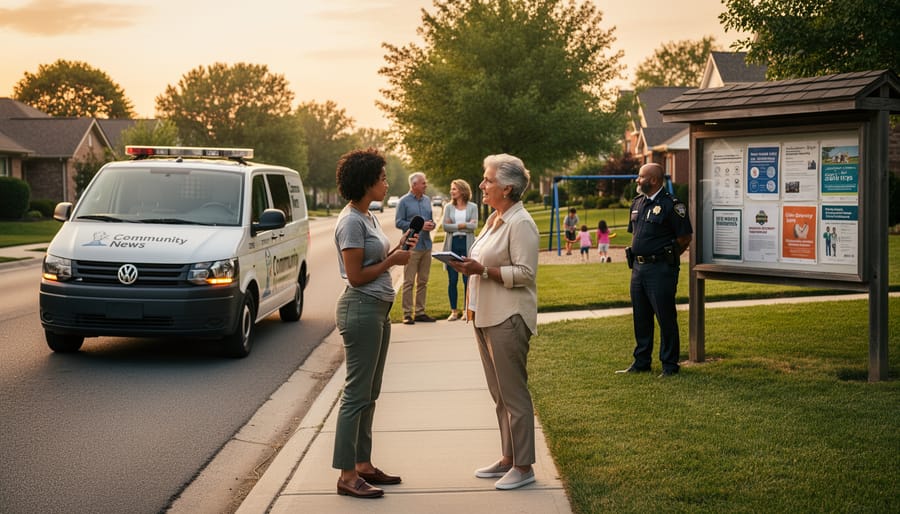
Local news isn’t just a nice-to-have for Burlington residents, it’s the connective tissue that turns a collection of neighbourhoods into an informed, engaged community. When residents understand what’s happening at city council, which roads are closing for construction, or how a proposed development might affect their street, they can participate meaningfully in the decisions that shape their daily lives. That’s the core promise of hyper-local journalism: information so specific and relevant that it empowers people to act.
In an era when social media feeds prioritize engagement over accuracy, trusted neighbourhood reporting serves as a crucial counterweight. A viral post might claim your local park is closing or spread unverified rumours about a police incident, but credible local outlets verify facts, provide context, and correct misinformation. This matters especially during urgent situations, when residents need accurate, timely information about public safety incidents or emergency road closures, not speculation.
Strong local news coverage delivers tangible benefits to Burlington residents:
- Early awareness of municipal decisions affecting property values, taxes, and neighbourhood character
- Accountability for local officials and institutions through investigative reporting and public records requests
- Discovery of community events, volunteer opportunities, and local businesses that enrich daily life
- Connection to neighbours and shared civic identity beyond individual social circles
- Reliable emergency and public safety information when minutes matter
Beyond individual utility, local journalism strengthens democratic participation. Residents who read Burlington coverage regularly are more likely to vote in municipal elections, attend public consultations, and join community groups. They understand the nuances of local issues rather than reacting to headlines or partisan talking points. This informed engagement creates better outcomes for everyone, from smarter urban planning to more responsive public services.
What Burlington Residents Should Watch
As Burlington’s media environment continues to evolve, residents who want reliable community information should monitor a few key areas and adopt habits that ensure balanced, accurate news consumption.
First, diversify your sources rather than relying on a single outlet. Cross-reference coverage of major stories across multiple platforms, regional publishers, community hubs, and specialized sources like local traffic alerts to get a fuller picture of what’s happening. No single source covers everything comprehensively, and comparing accounts helps you spot gaps or biases in individual reports.
Second, evaluate source credibility by looking at transparency markers: Does the outlet clearly identify its reporters and editorial standards? Does it correct errors when they occur? Community journalism thrives on accountability, and trustworthy publishers openly address mistakes rather than quietly deleting content. Pay attention to whether coverage cites specific sources and provides context, or whether it leans on vague claims and sensational framing.
Third, engage with local journalism actively. Comment thoughtfully on stories, attend town halls or community meetings that outlets report on, and consider supporting quality coverage through subscriptions or memberships if available. The practice of staying informed fast during breaking events requires sustainable newsrooms, and reader support helps maintain the investigative capacity and daily reporting that keep communities connected.
Finally, watch for shifts in ownership and editorial direction. Regional media consolidation can affect coverage priorities, so note when outlets change hands or pivot their focus. Understanding who owns your news sources and what their broader commitments are helps you interpret the information you receive and seek out alternative perspectives when necessary.
Common Questions About Burlington Local News
How can I access reliable Burlington local news?
Burlington residents have multiple pathways to quality local coverage. Regional publishers operate dedicated Burlington sections on their websites and apps, delivering breaking news, investigations, and community features throughout the day. Community hubs serve as centralized resources for event calendars, volunteer opportunities, and neighbourhood announcements, while social media accounts from established outlets provide real-time updates. For deeper analysis and context, monthly print publications complement digital channels, offering long-form stories and investigative pieces that require more space to develop. The key is building a habit around two or three trusted sources rather than relying on a single platform.
Who owns Burlington’s main news outlets?
Most Burlington coverage comes from regional publishers serving the Greater Toronto Area and Halton region, with some outlets owned by larger media corporations and others operating as community-focused enterprises. Ownership structures matter because they influence editorial priorities, resource allocation, and coverage decisions.
What’s the difference between breaking news and investigative reporting?
Breaking news covers urgent public safety incidents, municipal announcements, and time-sensitive developments as they unfold, while investigative pieces examine systemic issues, accountability questions, and complex community challenges through in-depth research over weeks or months. Both serve essential but distinct functions in local journalism.
How can I tell if a Burlington news source is credible?
Check whether the outlet clearly identifies its journalists, corrects errors when they occur, distinguishes between news and opinion, and cites specific sources for factual claims. Tools like media bias checkers can help evaluate the reliability and editorial stance of unfamiliar sources.
Can I contribute to Burlington community journalism?
Many local outlets welcome reader submissions, particularly letters to the editor, photos of community events, and tips about underreported neighbourhood issues. Some platforms also host community blogs or accept freelance pitches from residents with expertise on specific topics.
Understanding these distinctions helps you consume local news more strategically. Not every story requires the same depth or urgency, and recognizing the difference between immediate incident coverage and sustained investigative work allows you to allocate your attention appropriately. When a major development breaks, turn to outlets with proven track records for accurate, responsible reporting. When you need broader context about municipal decisions or community trends, seek out analysis pieces that connect individual events to larger patterns.
Burlington’s local news ecosystem thrives when residents actively participate. Your clicks, subscriptions, and engagement signal to publishers that neighbourhood journalism matters. When you read a story from Burlington Local News, share coverage from community hubs, or subscribe to regional outlets, you’re casting a vote for continued investment in the reporters who attend city council meetings, investigate local issues, and document your community’s evolution.
Quality local journalism doesn’t sustain itself. It requires readers who value accuracy over viral content, who distinguish between credible reporting and social media speculation, and who understand that informed communities make better collective decisions. Burlington residents can look for coverage that cites sources, provides context, and reports responsibly on sensitive matters. Supporting multiple news sources creates redundancy that protects against information gaps when single outlets struggle.
The health of Burlington’s democracy depends partly on how well its residents stay informed about neighbourhood developments, municipal decisions, and community concerns. By choosing credible local news sources and engaging thoughtfully with their coverage, you help ensure that Burlington maintains the informed civic culture necessary for effective self-governance. Your attention to local journalism today shapes what information will be available to your community tomorrow.