
Toronto Road Closures and TTC Disruptions News Update: What Changed and What to Watch in 2026
11 min read
Toronto commuters face notable changes to their daily travel patterns starting September 6, 2026, when the TTC implemented its latest service adjustments alongside ongoing road construction across the city. The most significant update centers on Line 6 Finch West, which now offers improved service seven days a week across the entire corridor, a change designed to accommodate growing ridership along this relatively new transit artery.
For those navigating the city this fall, understanding where to find real-time information has become essential. The TTC’s Service Alerts page continues to serve as the primary source for current disruption notices, though commuters should recognize a critical limitation: when subway delays occur, shuttle buses simply cannot absorb the full passenger load. Lower bus capacity combined with street-level congestion means alternative routes or patience become necessary during major service interruptions.
These September adjustments arrive at a time when Toronto’s transit network is under particular pressure. Construction projects, infrastructure upgrades, and the ongoing integration of new light rail lines create a complex environment for daily travel planning. What worked for your commute in August may no longer be the most efficient route today.
The key to managing these changes lies in proactive planning rather than reactive problem-solving. Understanding which services have improved, where disruptions are most likely, and how to access timely updates can mean the difference between a smooth journey and a frustrating delay. This becomes especially important for commuters who rely on multiple connections or travel during peak hours, when even minor disruptions cascade into significant delays.
Recent TTC Service Changes and Improvements
1. September 2026 Service Adjustments Across the Network
On September 6, 2026, the TTC implemented network-wide service adjustments that affect timetables and service levels across multiple routes. These changes represent a quarterly recalibration of service to match ridership patterns and operational capacity, with the most notable improvement appearing on the Finch West corridor. Commuters who rely on affected routes need to check updated schedules to avoid missed connections or longer-than-expected wait times.
The September 6, 2026 adjustments brought measurable service enhancements to Line 6 Finch West, which now operates with improved frequency and extended service hours seven days a week. This expansion addresses growing demand along the corridor and marks one of the first significant capacity increases since the line’s initial rollout. Riders traveling between Finch West Station and Humber College can now expect more frequent trains during both peak and off-peak periods, reducing platform wait times and easing crowding on individual vehicles.
The scope of these adjustments extends beyond Line 6, though the TTC has not specified which other routes received modifications. The updated timetables for all affected services are available on the Routes and Schedules page, which the TTC updated to reflect the September 6 effective date. Here’s what commuters should know about these changes:
- Line 6 Finch West now runs with increased frequency and longer operating hours throughout the week
- Updated schedules for all routes affected by the September adjustments are posted on the TTC Routes and Schedules page
- Changes apply to both weekday and weekend service patterns
- Riders should verify their specific route timetables rather than relying on pre-September schedules
Because service adjustments can shift first and last departure times, anyone who travels early mornings, late evenings, or on weekends should double-check their route’s current schedule. What worked in August may no longer align with September service windows, and missing the last train or bus of the night creates significant inconvenience for those without alternative transportation options.
2. Enhanced Real-Time Service Alert System
The TTC has refined how it delivers disruption information to riders through two complementary platforms. The TTC Service Alerts page now provides a clearer snapshot of the current status across the network, helping commuters quickly determine whether their route is running normally before they leave home. This real-time overview has become increasingly valuable as construction projects and maintenance work create more frequent short-term interruptions throughout the system.
For deeper detail on what’s affecting service, riders can turn to the Service advisories and e-Alerts page, which provides updates on service changes, route diversions, construction impacts, and accessibility modifications. This resource addresses both planned work and unexpected disruptions, giving context that helps riders understand whether a delay is temporary or part of a longer closure pattern. The page consolidates information that previously required checking multiple sources, reducing the confusion that often accompanies transit planning.
My TTC e-Alerts stands out as the most proactive tool in the updated system. Rather than requiring riders to check the website repeatedly, this notification service pushes alerts directly to subscribers when disruptions affect their selected routes. Commuters can customize which lines and services they follow, receiving targeted updates that filter out irrelevant information. This approach works particularly well for regular commuters with fixed routes who need advance warning to adjust their departure times or consider alternatives.
These improvements align with broader trends in urban transit communication, where cities are adopting live alerts tools that meet riders where they already are, rather than expecting them to seek out static information sources.
3. Planned Subway and LRT Closure Transparency
The TTC has refined how it communicates planned maintenance windows to help riders anticipate weekend and extended service interruptions. The agency’s dedicated closures page now lists upcoming subway and Light Rail Transit closures in chronological order by their start date, making it easier to scan what’s coming and when. This approach replaces previous layouts where closures were grouped by line or service type, which often left commuters hunting for information about a specific weekend.
For anyone planning travel around major events or personal commitments, checking this chronological list becomes part of routine trip planning. Weekend closures typically accommodate track work, signal upgrades, and infrastructure inspections that can’t happen during weekday peak hours. Extended closures, sometimes spanning several consecutive weekends, allow crews to complete larger projects more efficiently than piecemeal overnight work.
Understanding TTC closure timing patterns helps commuters build backup plans before disruptions hit. The chronological format means you can quickly see if your usual route will be affected this coming Saturday or three weeks from now, rather than digging through separate announcements. Bookmark the page and check it weekly, especially if you rely on subway service for weekend errands, social plans, or shift work that falls outside standard Monday-to-Friday schedules.
Understanding Shuttle Bus Limitations During Subway Disruptions
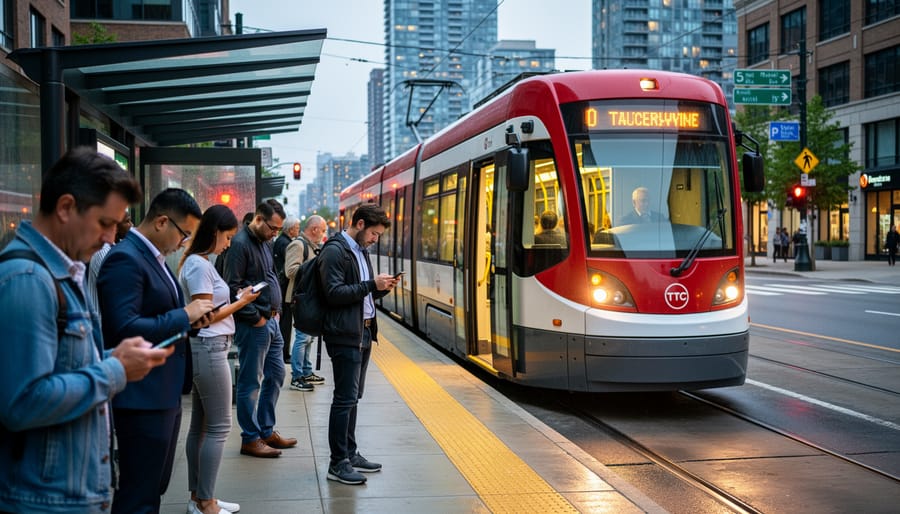
When a subway line shuts down due to a delay or planned closure, many riders assume shuttle buses will provide a roughly equivalent service. The reality is far less convenient. According to the TTC, shuttle buses cannot carry the subway passenger volume during service interruptions, primarily due to two limiting factors: the significantly lower capacity of individual buses compared to subway trains, and the inevitable road congestion that slows their movement through city streets.
A single subway train can carry hundreds of passengers per trip and operate on a dedicated track without interference from surface traffic. Buses, by contrast, hold a fraction of that number and must navigate the same congested roads as other vehicles, especially during rush hour when delays are most likely to occur. This mismatch means shuttle buses simply cannot move people at the speed or volume required to prevent significant overcrowding and extended wait times at stops.
The practical implication for commuters is straightforward: during any major subway interruption, expect substantially longer travel times. Boarding the first shuttle bus that arrives may not be realistic if crowds are large, and the journey itself will take longer than the subway would have. Rather than waiting in growing queues, consider alternative TTC routes that remain operational, walking to a nearby station on a different line, or adjusting your departure time if flexibility exists. Planning for these capacity limitations ahead of major closures, or staying aware of real-time service alerts, helps avoid getting caught in the worst bottlenecks.
Road Closures: Monitoring and Planning Resources

Road closures across Toronto shift constantly as construction projects, utility work, and emergency repairs arise throughout the city. Rather than chasing static lists that become outdated within hours, commuters need to build a habit of checking official channels before setting out. The City of Toronto maintains dedicated web resources where active closures, detours, and construction zones are updated regularly, and integrating these checks into your morning routine prevents unexpected delays.
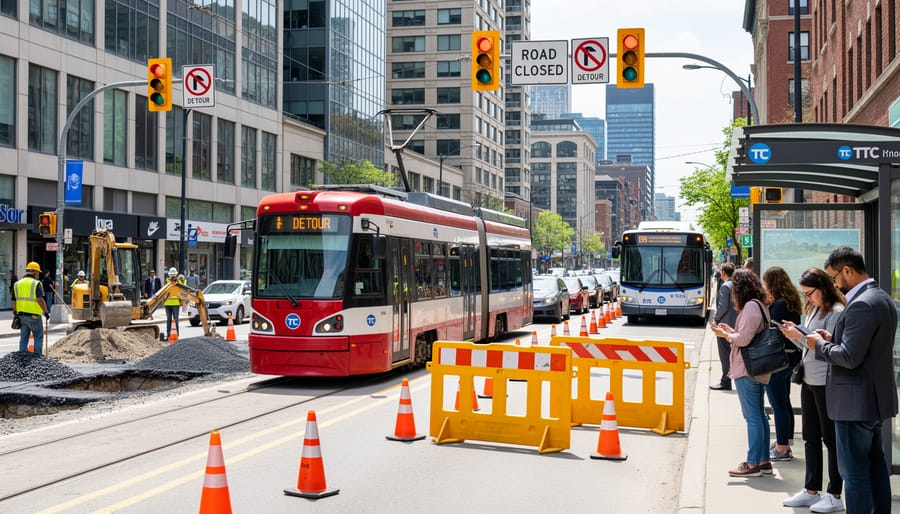
Road work doesn’t happen in isolation from transit. When construction closes a major arterial route, TTC surface routes that depend on that roadway face diversions, slower travel times, and bunched service. A streetcar detour forced by utility work can ripple through multiple connecting routes, compounding delays already caused by separate TTC service adjustments. This intersection of road closures and surface transit disruptions means commuters relying on buses and streetcars should monitor both city construction updates and TTC service alerts simultaneously.
The most reliable approach involves checking the City’s official road closure maps and construction notices alongside the TTC Service Alerts page each time you plan a trip. Third-party navigation apps can supplement this by showing real-time traffic conditions, but they won’t always explain why a closure exists or how long it will last. For broader guidance on setting up local traffic alerts tailored to your commute, exploring notification systems that push updates directly to your phone can save significant time and frustration during periods of heavy construction activity.
Why These Changes Matter to Toronto Commuters
The September 2026 service adjustments and improved alert systems represent more than administrative updates. They fundamentally reshape how Torontonians plan their daily movements through the city. For the estimated 1.7 million riders who depend on the TTC each weekday, the enhanced Line 6 Finch West frequency directly reduces wait times and overcrowding, particularly for west-end commuters traveling to work, school, and appointments. The upgraded real-time alert system allows riders to make informed decisions before leaving home, much like how weather radar tracking helps people adjust plans based on approaching storms.
Yet equity concerns persist. Transit-dependent communities, many in Toronto’s inner suburbs, cannot simply switch to driving when shuttle buses fail to accommodate subway-level passenger volumes during closures. These riders absorb the full impact of longer travel times and service gaps without alternatives. Businesses along affected routes experience reduced foot traffic during extended closures, while workers face unpredictable commute durations that complicate childcare pickups and shift schedules. The communication transparency gains matter most to those with flexibility to adjust, but do little for riders who must travel regardless of delays.
What to Watch: Upcoming Developments and Long-Term Trends
The TTC’s commitment to incremental service improvements suggests that the September 6, 2026 adjustments represent a starting point rather than a final configuration. Commuters should check the Routes and Schedules page regularly for additional timetable changes that typically roll out on a seasonal basis. The agency’s pattern of continuous refinement means further frequency tweaks and route modifications are likely before year’s end.
The planned closures page will remain essential for anyone making weekend or holiday travel plans. Major maintenance projects requiring extended subway or LRT shutdowns typically get announced several weeks in advance, giving commuters time to arrange alternatives. Checking this resource monthly helps avoid last-minute surprises, particularly during holiday periods when work often accelerates.
The TTC’s Service Advisories page and My TTC e-Alerts system are evolving tools worth monitoring for interface improvements and expanded notification options. As Toronto’s transit network grows more complex with additional LRT lines and bus rapid transit corridors, the agency faces pressure to make real-time information more accessible and granular. Expect refinements to how alerts are categorized, delivered, and integrated with trip-planning apps.
Beyond immediate service changes, the broader trend toward transparency in communicating capacity limitations, like acknowledging that shuttle buses cannot match subway volume, signals a more honest relationship between the TTC and riders. This shift toward realistic expectations rather than overpromising may define how the agency manages commuter trust through the remainder of 2026, particularly during construction-heavy periods that test system resilience.
Frequently Asked Questions
How do I get real-time alerts about TTC service disruptions?
Check the TTC Service Alerts page for current service status, or visit the TTC Service Advisories page for real-time updates on route diversions, construction impacts, and accessibility changes. You can also sign up for My TTC e-Alerts to receive proactive notifications about disruptions affecting your regular routes.
When do the September 2026 TTC service adjustments take effect?
The September service adjustments became effective Sunday, September 6, 2026. Updated timetables and route information are available on the Routes and Schedules page, including improvements to Line 6 Finch West service seven days a week.
How can I plan around planned subway closures?
Visit the TTC’s dedicated planned closures page, which lists upcoming subway and Light Rail Transit closures in order by start date. This helps you see weekend maintenance work and extended closures in advance so you can adjust your travel plans accordingly.
Why do shuttle buses take so much longer during subway delays?
Shuttle buses cannot carry the same passenger volume as subway trains due to their lower capacity, and they face road congestion that trains avoid entirely. Expect significantly longer travel times during major subway interruptions and consider alternate routes or modes of transport when possible.
Beyond the official TTC channels, third-party trip-planning apps often aggregate real-time service information and can send push notifications faster than checking websites manually. However, always verify major service changes through official TTC sources, since external platforms sometimes lag behind or misinterpret the scope of disruptions. For road closures affecting surface routes, the city’s transportation website provides construction notices, though these change frequently enough that checking the morning of your trip yields more reliable information than planning days ahead.
September 2026 brings a transportation landscape shaped by both planned improvements and ongoing infrastructure realities. The TTC’s service adjustments effective September 6, enhanced alert systems, and more transparent closure planning represent meaningful steps toward helping commuters make informed decisions. Line 6 Finch West’s improved frequency demonstrates the system’s growth, while the updated Service Alerts and Service Advisories pages give riders better tools to anticipate disruptions before they leave home.
Disruptions remain inevitable in a transit network serving millions of trips weekly. Subway delays will still trigger shuttle buses that can’t match passenger volume. Road closures will continue affecting surface routes. Construction projects will require weekend service interruptions. The difference now lies in how accessible that information has become. Torontonians who check the Routes and Schedules page before their commute, subscribe to My TTC e-Alerts for their regular routes, or review the planned closures list when booking weekend plans gain a genuine advantage in navigating the city.
Adapting your commuting strategy means treating official TTC resources as part of your routine, building buffer time when alerts indicate delays, and recognizing that static information ages quickly in a dynamic system. Better communication doesn’t eliminate service challenges, but it shifts them from unwelcome surprises to manageable inconveniences. For a city that depends on public transit, that distinction matters considerably.