
Banff News Update: What Changed and What to Watch in September 2026
8 min read
Three trail closures, a bear warning, and a major infrastructure project are shaping what visitors and residents need to know about Banff this September. On September 15, 2026, Parks Canada closed Lake Minnewanka Trail, Aylmer Pass Trail, and associated campgrounds, adding to an earlier September 8 restricted activity notice that affects travel across the park. Wildlife safety remains front and center following a September 2 bear warning for the Skoki trails area.
Beyond the immediate safety alerts, municipal infrastructure work is moving forward. The Town of Banff opened public consultation under the Canadian Navigable Waters Act for the Bow River Siphon Lining Replacement, a 2027 project that will stretch across the Bow River from Muskrat Street to Glen Avenue. The submission period gives residents and stakeholders a chance to weigh in before construction begins next year.
For anyone tracking Alberta news or planning a visit to Banff National Park, these developments demand attention. Trail access can shift quickly based on wildlife activity, and the Bow River project signals broader efforts to maintain aging infrastructure in one of Canada’s most visited destinations. Checking Parks Canada’s bulletins before heading out has become essential, particularly as bear activity typically peaks in early fall before hibernation.
Current Trail and Safety Updates from Parks Canada
1. Lake Minnewanka Area Closure (September 15, 2026)
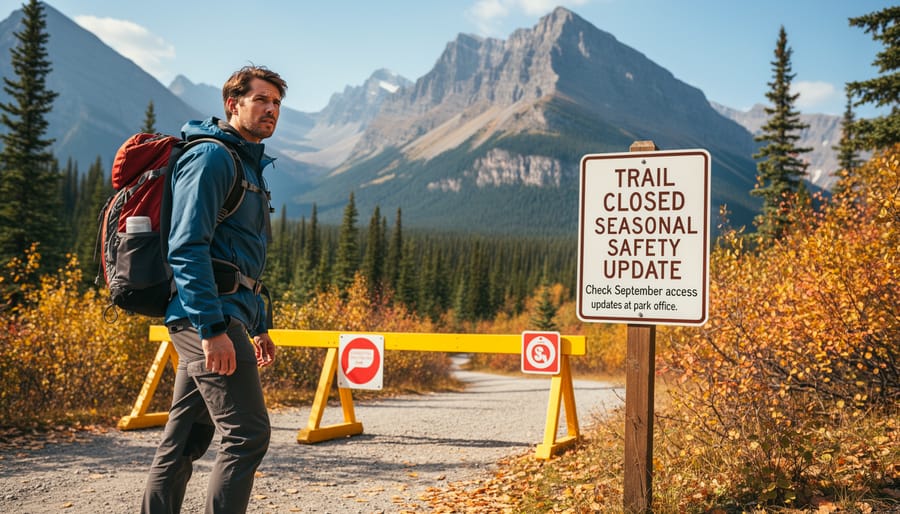
On September 15, 2026, Parks Canada closed a significant portion of the Lake Minnewanka area, affecting multiple trails and facilities popular with visitors to Banff National Park. The closure includes the Lake Minnewanka Trail, Aylmer Pass Trail, and associated campgrounds, marking one of the more extensive access restrictions issued this fall. Area closure bulletin details specify the affected zones and duration.
The closure impacts access from the Lake Minnewanka day-use area eastward along the lakeshore trail and the route toward Aylmer Pass. Both the backcountry campground near Aylmer Pass and shoreline camping areas are off-limits during this period. Visitors who had planned hiking or camping trips along these routes will need to choose alternative destinations within the park.
The September 15 date places this closure well into the shoulder season, when many Toronto-area hikers target Banff for less crowded trail experiences. Anyone with existing backcountry reservations for the Aylmer area should check their booking status and consider rebooking for accessible zones. Day hikers can still access other lake areas in the park, but the popular Minnewanka shoreline walk and the challenging climb to Aylmer Pass remain unavailable until Parks Canada issues an updated bulletin lifting the restriction.
2. Travel Restrictions in Banff National Park (September 8, 2026)
On September 8, 2026, Parks Canada issued a restricted activity notice affecting travel throughout Banff National Park. The bulletin establishes specific limitations on backcountry access and recreational activities across multiple zones within the park boundary.
The restrictions apply primarily to off-trail travel in designated wildlife corridors and sensitive ecological areas. Hikers and campers face new requirements for group size minimums in certain zones, while some previously open backcountry areas now require advance reservation through the Parks Canada system. Day-use areas near wildlife habitat see stricter time-of-day access rules, particularly during dawn and dusk hours when animal activity peaks.
These measures stem from documented increases in human-wildlife encounters during the 2026 summer season. Parks Canada’s monitoring data showed elevated grizzly bear activity in popular recreation zones, prompting the agency to implement preventive controls rather than reactive closures. The restrictions aim to reduce conflict risk while keeping core trails and facilities operational for visitors who follow the updated protocols.
The notice remains active indefinitely, with Parks Canada reviewing conditions monthly. Visitors planning trips should check the official bulletins page before departure, as the restricted zones and requirements can shift based on current wildlife patterns and seasonal changes. Non-compliance carries financial penalties and potential removal from the park.
3. Bear Warning for Skoki Trails (September 2, 2026)
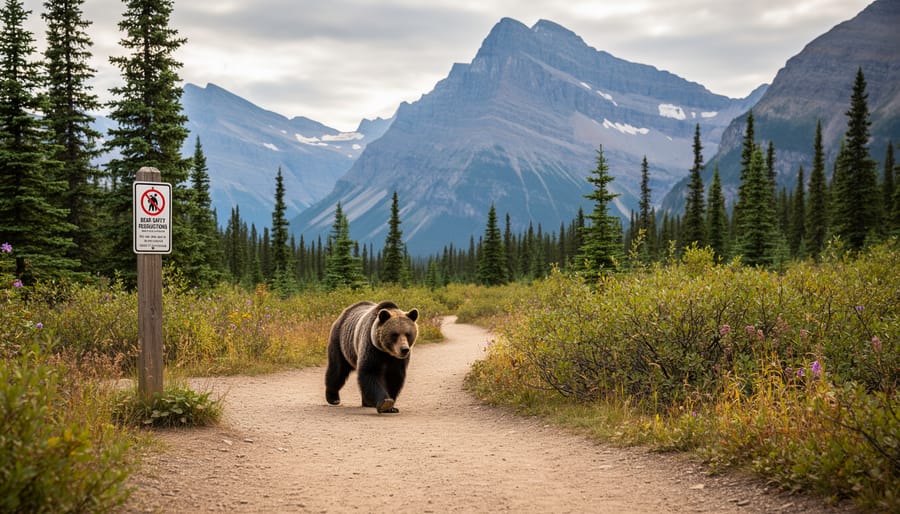
On September 2, 2026, Parks Canada issued a bear warning for the Skoki trails in Banff National Park, advising hikers to exercise extreme caution when traveling in the area. The warning stems from recent bear activity along these popular backcountry routes, which include access to Skoki Lodge and surrounding alpine meadows. Hikers are urged to travel in groups of four or more, make noise consistently, carry bear spray in an accessible location, and remain vigilant for fresh bear sign such as tracks, scat, or digging.
The Banff National Park bulletins page does not specify an end date for the warning, meaning the advisory will remain in effect until Parks Canada determines conditions have changed. Visitors planning trips to the Skoki area should check the bulletins immediately before departure, as bear warnings can be extended or lifted based on wildlife monitoring. Those uncomfortable hiking in areas with active bear warnings should consider alternative trails or postpone their visit until the advisory is removed.
Anyone encountering a bear on Skoki trails should remain calm, avoid direct eye contact, speak in low tones, and back away slowly while keeping the animal in view. Do not run or turn your back on a bear.
Bow River Infrastructure: 2027 Project Moves Forward
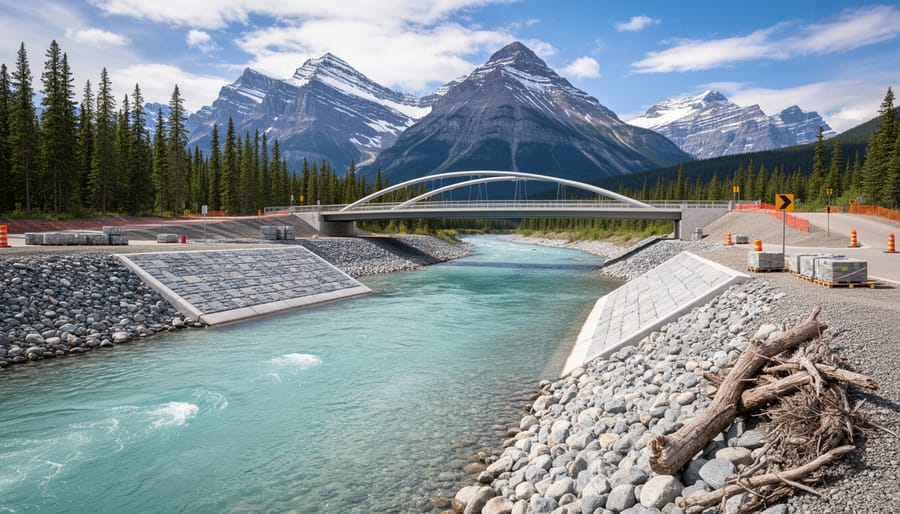
The Town of Banff posted a formal public notice in September 2026 regarding the Bow River Siphon Lining Replacement project, inviting residents and stakeholders to review and comment on the submission filed under the Canadian Navigable Waters Act. The work involves replacing the aging lining of the siphon that carries water beneath the Bow River, running from the foot of Muskrat Street to Glen Avenue. Officials have scheduled the physical work for 2027, giving the municipality time to finalize engineering details and address concerns raised during the public consultation period.
The siphon replacement represents a significant infrastructure investment for Banff, as the existing line has reached the end of its service life and requires upgrading to maintain reliable water service across the river. Unlike emergency repairs, this planned replacement allows the town to coordinate with Parks Canada and minimize disruption to river access and recreation during construction. The Canadian Navigable Waters Act requires public notice because the work temporarily affects a navigable waterway, even though the siphon itself runs underground.
The 2027 timeline reflects the need for regulatory approvals, detailed engineering, and contractor selection before breaking ground. Town officials have emphasized that the replacement will not alter the siphon’s location or capacity, focusing instead on modernizing the infrastructure to meet current standards. Residents interested in the project’s environmental impact, construction schedule, or traffic management can access the full submission through the town’s official channels and provide input during the designated comment window.
Why These Updates Matter
These September 2026 developments reveal Banff’s dual challenge: balancing immediate visitor safety with long-term infrastructure sustainability. The three Parks Canada bulletins, trail closures on September 15, travel restrictions on September 8, and bear warnings on September 2, demonstrate an adaptive management approach that prioritizes wildlife protection during critical seasonal transitions. When Parks Canada closes high-use areas like Lake Minnewanka mid-month, it signals active wildlife conflict rather than routine precaution.
For visitors, these bulletins transform trip planning from convenience to necessity. Toronto-area travelers booking fall getaways face compressed trail access, requiring real-time verification before departure. The cascading closure pattern across two weeks suggests evolving conditions that demand flexibility rather than fixed itineraries.
The Bow River siphon project carries different weight. Infrastructure replacement on this scale, spanning Muskrat Street to Glen Avenue with a 2027 construction timeline, reflects decades of deferred maintenance catching up to current demand. For Banff residents, the public comment window (closing dates available through the Town’s navigable waters notice) represents rare input on work that will affect river access and utilities for years.
These developments matter to environmental policy watchers because they illustrate competing pressures on protected spaces: wildlife corridors need breathing room while aging town infrastructure requires invasive repair. The September clustering isn’t coincidental, it’s when bear activity peaks, visitor numbers remain high, and municipalities finalize capital project schedules before winter.
What to Watch Next
As Banff heads into autumn, several key timelines warrant close attention. Most immediately, the Town of Banff’s public comment period for the Bow River Siphon Lining Replacement project offers residents and stakeholders a formal opportunity to submit feedback on the 2027 infrastructure work. Check the Town of Banff’s official notices page for the submission deadline and instructions on how to participate in the review process.
Trail conditions will shift as Parks Canada responds to wildlife activity and seasonal changes. The Lake Minnewanka closure, bear warnings, and restricted activity notices can be updated or lifted based on field assessments. Readers planning visits should verify current status rather than relying on bulletins from weeks earlier, as conditions evolve quickly in mountain environments.
For what to watch on an ongoing basis, bookmark these official sources:
- Parks Canada Banff National Park bulletins page for trail closures, warnings, and restricted activity notices
- Town of Banff public notices section for infrastructure updates and comment periods
- Parks Canada’s Twitter and Facebook feeds for time-sensitive alerts
These channels provide the most direct updates without intermediary filtering. Set a reminder to check back before any planned travel, and subscribe to email alerts if available, ensuring you catch changes between now and your visit.
Common Questions About Current Banff Restrictions
How do I check if an area is open before traveling to Banff? Parks Canada’s Banff National Park bulletins page is the official source for current closures and warnings. Before your trip, verify the specific trails and areas you plan to visit against the latest bulletins, which include dated notices for closures like the September 15, 2026 Lake Minnewanka area restriction and the September 8, 2026 travel limitations. Update your itinerary based on what’s actually accessible rather than relying on older guidebooks or maps.
What alternatives exist if my planned trail is closed?
Banff National Park maintains hundreds of trails, so closures rarely eliminate all options in a given area. Check Parks Canada’s website for nearby open trails with similar difficulty ratings and scenery, and consider consulting visitor center staff for real-time recommendations based on current conditions.
Will the 2027 Bow River siphon work restrict river access?
The project runs from Muskrat Street to Glen Avenue, so expect some localized impact along that stretch during construction. The public comment period allows residents and visitors to raise specific concerns about access before work begins.
How long do bear warnings typically last?
Bear warnings remain active until Parks Canada determines the wildlife activity no longer poses elevated risk. The September 2, 2026 Skoki trails warning will stay in effect until conditions change, so check the bulletins page each day if you’re planning to hike in that area.
Should I cancel my Banff trip because of these restrictions?
Most of the park remains open, and restrictions target specific high-risk areas or trails with documented wildlife activity. Review the dated bulletins to see if your planned activities fall within restricted zones, adjust your itinerary to open areas, and follow posted safety tips for bear country.
Remember that these September 2026 notices represent point-in-time snapshots. Conditions shift as wildlife moves, weather changes, and infrastructure projects progress through their phases. Setting up alerts for Parks Canada updates or bookmarking the bulletins page ensures you’re working with current information rather than stale assumptions about what’s accessible.